Learn · 5 min read
How do bees survive the winter? Inside the winter cluster
By November the hives go quiet. Walk past an apiary and you might think the bees are hibernating – but they’re awake, and all winter long they work to keep the colony going until spring. Winter is the biggest test of the year for a colony.
In autumn the colony shrinks
A summer colony of up to sixty thousand bees becomes a much smaller community by winter. The drones are driven out of the hive in autumn: they aren’t needed in winter and would only eat into the stores.
In late summer and autumn, special bees are raised: the winter bees. While summer workers live only a few weeks as adults, winter bees can live for more than five months in cold climates, and they carry the colony through to spring. You can read more in our piece on the life of a honey bee colony.
The winter cluster: a living stove
When the weather turns cold, the bees huddle tightly around the queen on the combs. They make heat by vibrating their flight muscles without moving their wings – as if shivering. The energy comes from the honey they gathered in summer.
According to a 2023 British study, without brood the looser core of the cluster warms up to about 18 °C, while the bees in the outer layer sit at around 10 °C – if they get much colder than that, they die. When the queen starts laying again at the end of winter, the bees keep the brood at around 35 °C.
The bees constantly swap places within the cluster. For a long time the outer layer was thought to act as an insulating blanket for the core; the same study suggests the opposite: the tightly packed outer bees actually conduct heat away, so the cluster is an emergency response to the cold.
Why do they fly out on a sunny January day?
Bees don’t relieve themselves inside the hive; they hold on for weeks. If the sun comes out on a milder winter day, they fly out briefly to do it outside – this is called a cleansing flight. It’s perfectly natural and a good sign for the beekeeper: the colony is alive and active.
Near an apiary, small yellowish spots may appear on snow, washing on the line or a parked car. Annoying, but harmless, and it only lasts a few days.
What does the beekeeper do in winter?
In winter the beekeeper doesn’t open the hives: every opening chills the cluster, and the colony has to burn more honey to warm back up. In autumn they check that there’s enough food and that the hives are in good order, fit a mouse guard to the entrance and make sure the spot is sheltered and quiet. In winter they lift the back of each hive to judge by its weight whether the stores are running low.
The most critical time is the end of winter: brood rearing starts, the colony eats more, but nothing is flowering yet. If it stays cold and windy for long, the bees can’t fly out. After the winter of 2021–2022, the Hungarian Beekeepers’ Association (OMME) said about 200,000 colonies had died in Hungary; its president said the exact causes weren’t known, but pointed to the cold, windy early spring. You can read about the beekeeper’s work through the year in our piece on the beekeeping year.
What can you do?
A few things that help, in your garden or neighbourhood:
- In winter, don’t knock on or rattle hives, and don’t open them – every disturbance costs the bees their reserves.
- Plant things that flower in early spring: at the end of winter they provide the first fresh food. You’ll find ideas in our piece on bee-friendly gardens.
- If you see bees on a mild day, don’t worry: it’s a cleansing flight, not a swarm.
Our honeys mentioned here
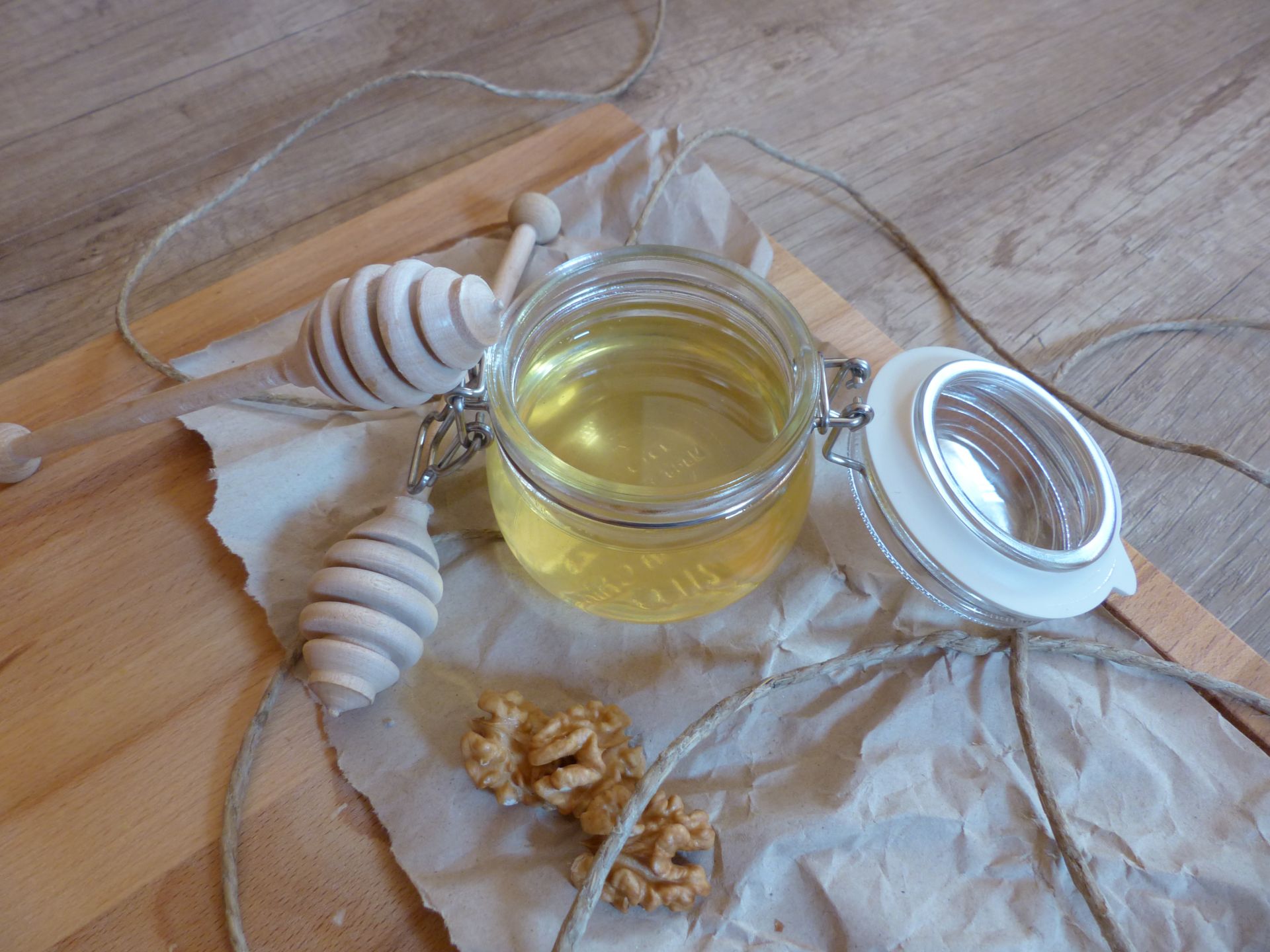 Acacia honey
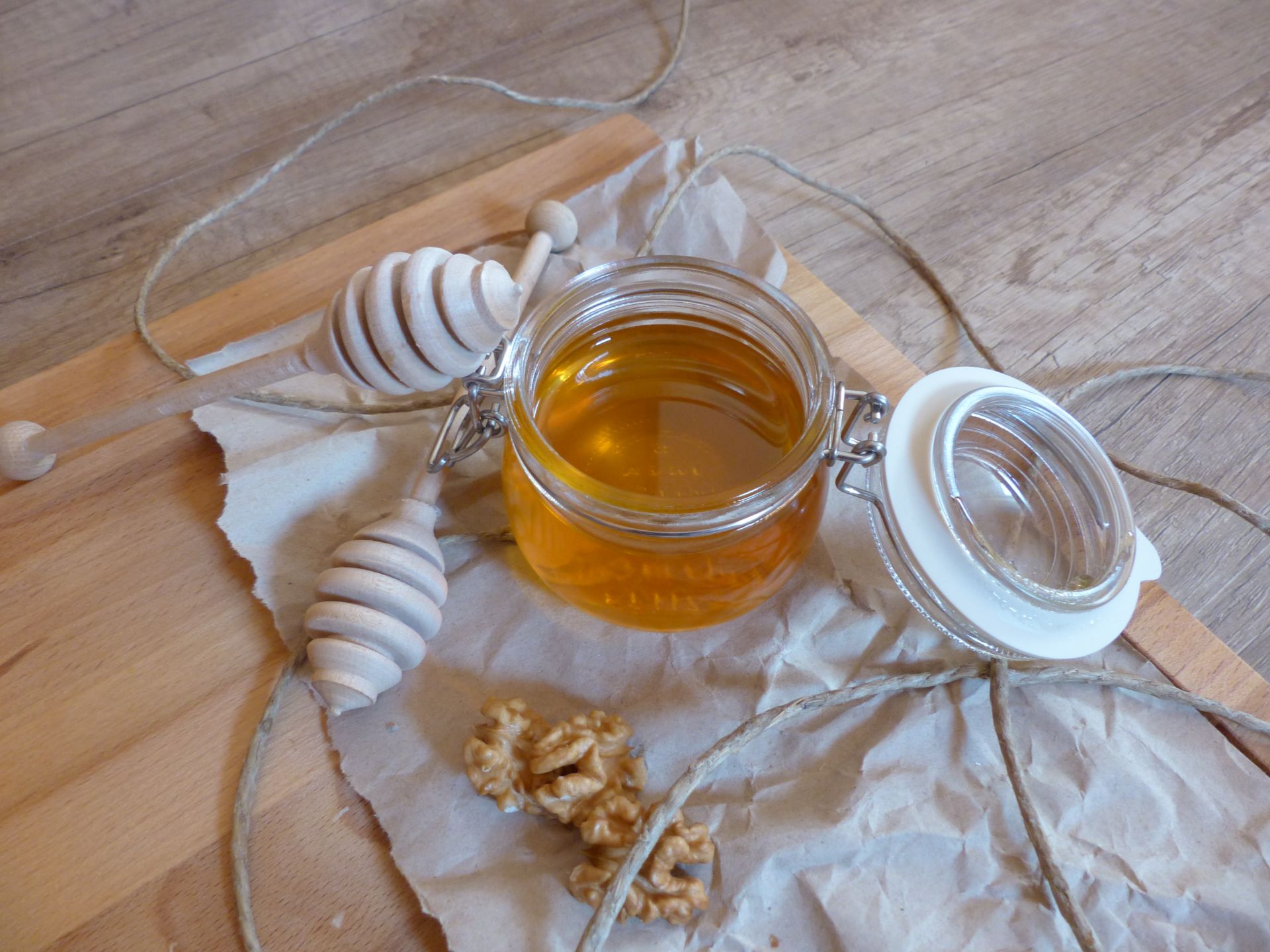 Wildflower honey
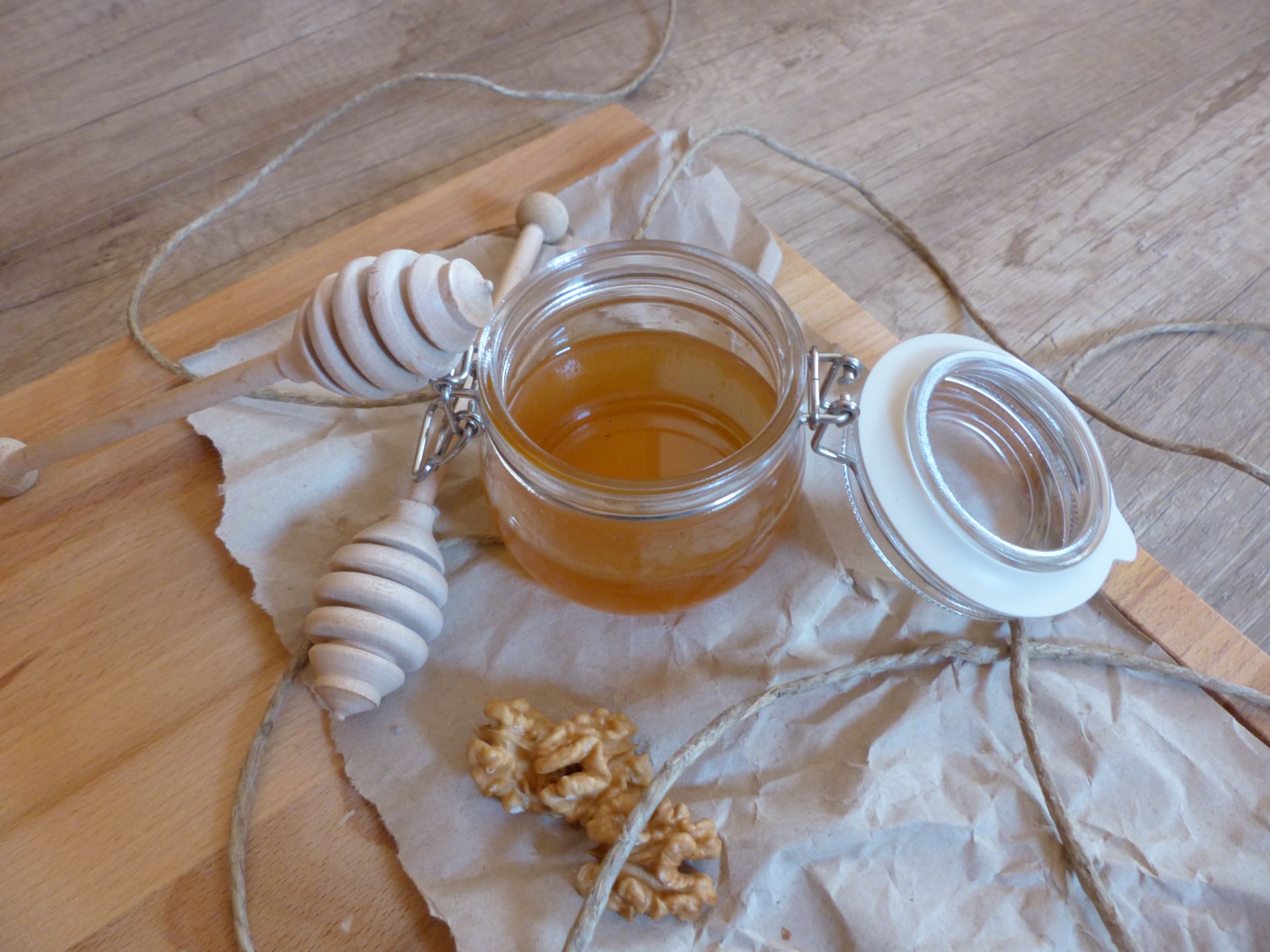 Honey with propolis
Recipes on the topic
Drink20 min
Mulled apple juice with honey
Spiced, orangey mulled apple juice with no alcohol, sweetened with honey instead of sugar. One for the whole family on Advent evenings.
Recommended honey: Wildflower honey
Drink20 min
Ginger and lemon tea with honey
A lemony winter tea brewed with fresh ginger, with the honey going in only once it's cool enough to drink. A jugful for cold evenings.
Recommended honey: Honey with propolis
Terms from the glossary
Sources
- The Conversation (Derek Mitchell, University of Leeds, 2023) – winter cluster temperatures
- UF/IFAS Extension – Overwintering Honey Bee Colonies in Northern Climates
- Montana Natural History Center – A Bee’s Guide to Overwintering
- On the lifespan of winter bees (PMC)
- University of Georgia – honey bee biology
- Világgazdaság (2022, in Hungarian) – over 200,000 colonies died over the winter
Share it if you found it useful
Read on
7 min read
Honey at a Hungarian Christmas: honey wafers, poppy seed guba and gingerbread
Honey wafers on Christmas Eve, poppy seeds and honey on the fasting table, gingerbread on the tree: honey was once one of the main flavours of a Hungarian Christmas. This is how the tradition lived – and how it can live on today.
3 min read
Why does honey crystallise, and what should you do about it?
If the honey in the jar has gone hard, it has not gone off: crystallisation is a natural process. Here is why it happens and how to make it runny again.
3 min read
Does honey go off? How to store it properly
Honey keeps for a very long time, but not for ever: moisture is its greatest enemy. Here is what to watch out for when storing it.