Learn · 3 min read
Why does honey crystallise, and what should you do about it?
In autumn and winter many people notice that the honey in the pantry has turned hard and whitish. The first thought is often that it has gone off or turned “sugary”. In fact nothing is wrong with it: crystallisation is a natural property of honey, and most real honey crystallises sooner or later.
What is happening in the honey?
Honey is mainly made up of two sugars: fruit sugar (fructose) and grape sugar (glucose). On average it is about 38% fructose, 31% glucose and 17% water. Glucose is less soluble, so over time it separates out as tiny crystals – this is what makes honey thick and then solid.
How long this takes depends on the ratio of the two sugars. Where there is a lot of glucose, crystallisation is fast: Rapeseed honey turns creamy within a few days or weeks. Where fructose dominates, it is slow: Acacia honey can stay runny for a year or two.
Why in winter?
Crystallisation is fastest at around 10–15 °C – exactly the temperature of a cool pantry or larder. In a warmer place, around 25 °C, it slows down. That is why honey seems to “go off in winter” – in reality the cool storage simply speeds up a natural process.
If you want it to stay runny for longer, keep it at room temperature, in a dark place, tightly closed.
How do you make it runny again?
Stand the jar in a lukewarm water bath and let the honey melt slowly. The key is not to let it get warmer than 40 °C: the official Hungarian honey testing method also melts samples at no more than this temperature. Heating it too hot harms the quality of the honey – it raises the level of a substance called HMF, which is used to measure honey quality (the EU limit is generally 40 mg/kg) – and changes its taste and aroma.
Don’t heat it in the microwave, and don’t put crystallised honey directly over a flame.
Myths worth forgetting
There are plenty of misconceptions about crystallisation:
- “Crystallised honey has gone off.” It hasn’t: crystallisation is not a sign of spoilage.
- “Crystallised honey is sugary, so it must be fake.” No: it is the honey’s own glucose that separates out.
- “Honey that doesn’t crystallise is fake.” Not true either: Acacia honey naturally stays runny for a very long time.
- Crystallised honey is actually great for baking: in the dough of soft honey gingerbread, Wildflower honey melts with the butter anyway.
Our honeys mentioned here
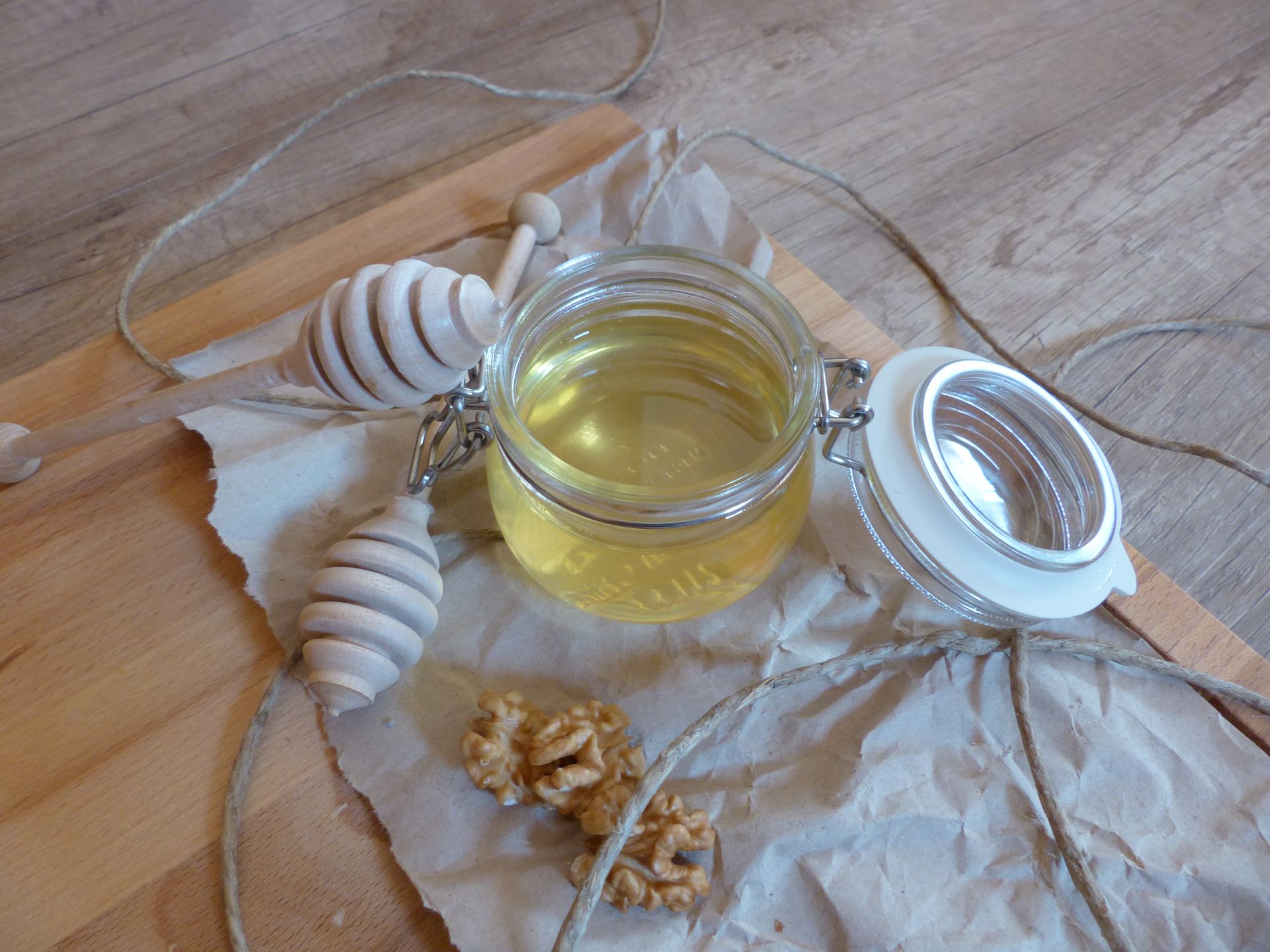 Acacia honey
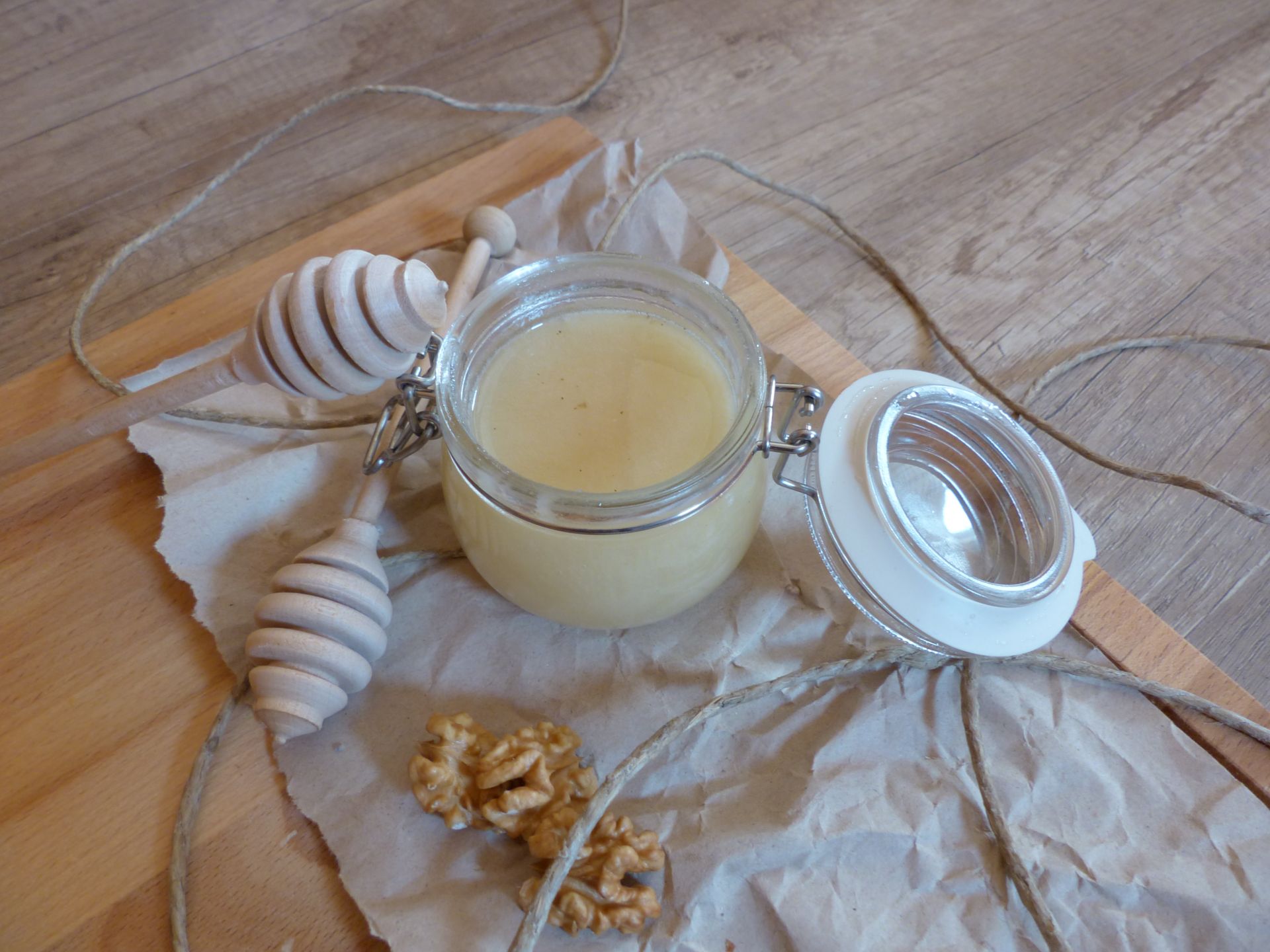 Rapeseed honey
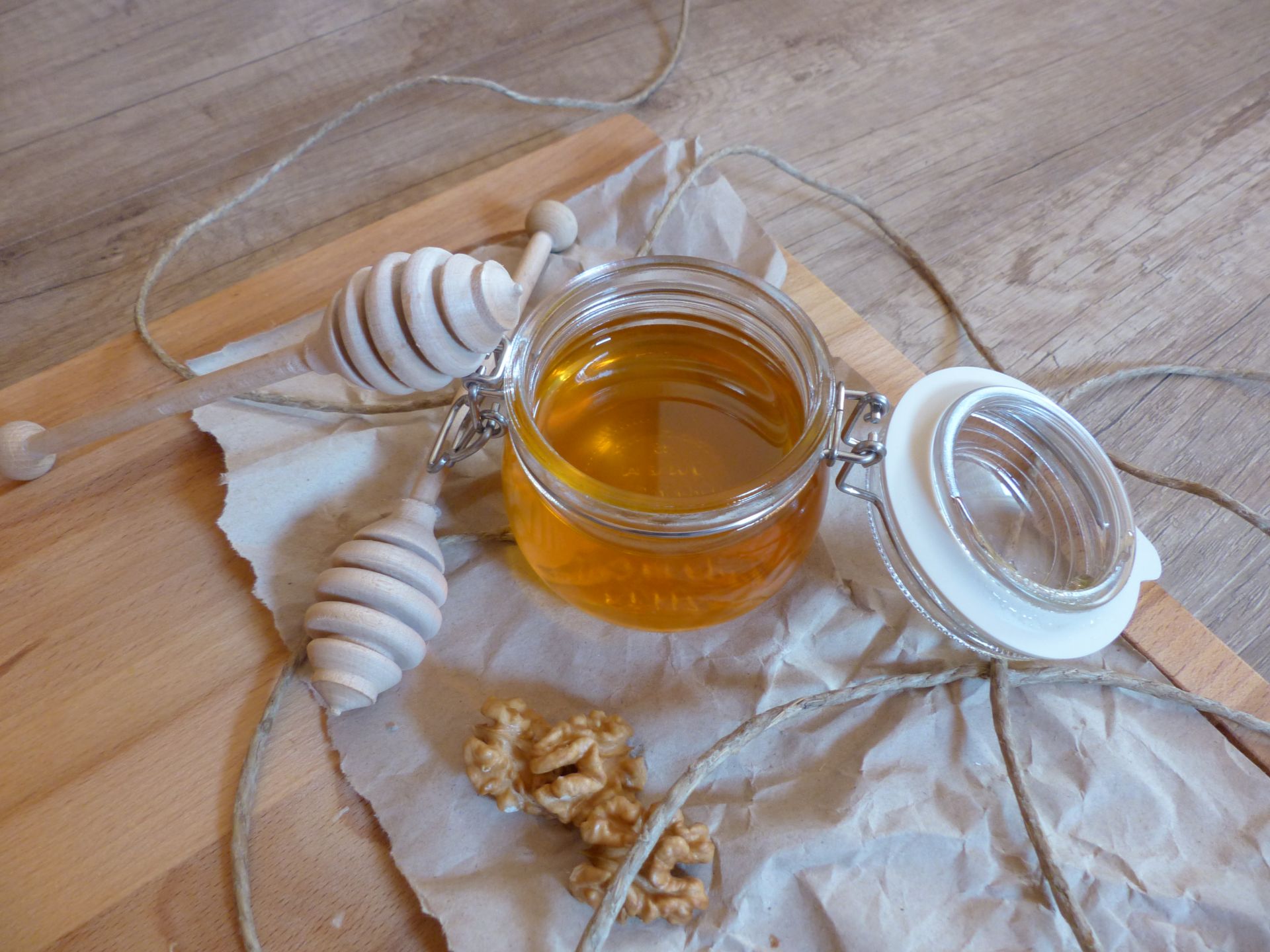 Wildflower honey
Recipes on the topic
Baking45 min
Soft honey gingerbread, no resting needed
Spiced honey gingerbread that's soft straight away and doesn't need days to mature: you can bake and decorate it on the same day.
Recommended honey: Wildflower honey
Drink20 min
Ginger and lemon tea with honey
A lemony winter tea brewed with fresh ginger, with the honey going in only once it's cool enough to drink. A jugful for cold evenings.
Recommended honey: Honey with propolis
Terms from the glossary
Sources
- National Honey Board – composition of honey (USDA data)
- International Journal of Food Properties – on the crystallisation of honey
- OMME–NAK (Hungarian Beekeepers’ Association and Chamber of Agriculture): The role of monofloral honeys (in Hungarian)
- Hungarian Food Codex MÉ 3-2-2009/1 – honey testing methods (in Hungarian)
- Directive 2001/110/EC relating to honey
Share it if you found it useful
Read on
7 min read
Honey at a Hungarian Christmas: honey wafers, poppy seed guba and gingerbread
Honey wafers on Christmas Eve, poppy seeds and honey on the fasting table, gingerbread on the tree: honey was once one of the main flavours of a Hungarian Christmas. This is how the tradition lived – and how it can live on today.
3 min read
Does honey go off? How to store it properly
Honey keeps for a very long time, but not for ever: moisture is its greatest enemy. Here is what to watch out for when storing it.
3 min read
How does nectar become honey? From flower to jar
For a kilo of honey, bees are estimated to visit millions of flowers. This is how nectar becomes ripe honey, and how it gets from the comb into the jar.