Learn · 3 min read
How does nectar become honey? From flower to jar
Honey is the joint work of the bees and the beekeeper. The bees collect, transform and concentrate the nectar, and the beekeeper extracts the honey when it is ripe. Under EU rules, only honey bees can make honey – from the nectar of flowers or from honeydew.
In the hive: from nectar to honey
The forager bee carries the nectar home in her honey stomach – a storage sac that is separate from her digestion. On the way and in the hive, the bees’ own enzymes break the sugar in the nectar down into glucose and fructose. At home the nectar is passed from bee to bee, and then, in the comb, the bees fan it with their wings until its water content falls below 20%.
When the honey is ready, the bees cap the cells with wax. Capped honey is ripe honey: now it is the beekeeper’s turn.
In the honey house: extraction
The beekeeper takes out the capped combs, removes the wax cappings, and during extraction a spinning machine uses centrifugal force to fling the honey out of them. The honey is then strained to remove foreign matter and poured into jars.
Under EU rules nothing may be added to honey, and none of its characteristic components – such as pollen – may be removed. Microscopic examination of the pollen left in the honey is an official method of establishing which plants the honey comes from.
How much work goes into a jar of honey?
The US National Honey Board estimates that for about half a kilo (one pound) of honey, bees visit around 2 million flowers, and a single worker bee gathers roughly one twelfth of a teaspoon of honey in her whole life. Converted to a kilo, that means several million flowers. These are estimates, not exact measurements – but they show well how much work goes into every jar.
What makes it acacia, and what makes it wildflower?
If, at a given time, the bees mainly visit the flowers of a single plant – acacia, for example – the result is monofloral honey, like Acacia honey. If they gather from many kinds of flowers, the result is Wildflower honey. You can read more about the varieties in our guide to honey varieties.
Our honeys mentioned here
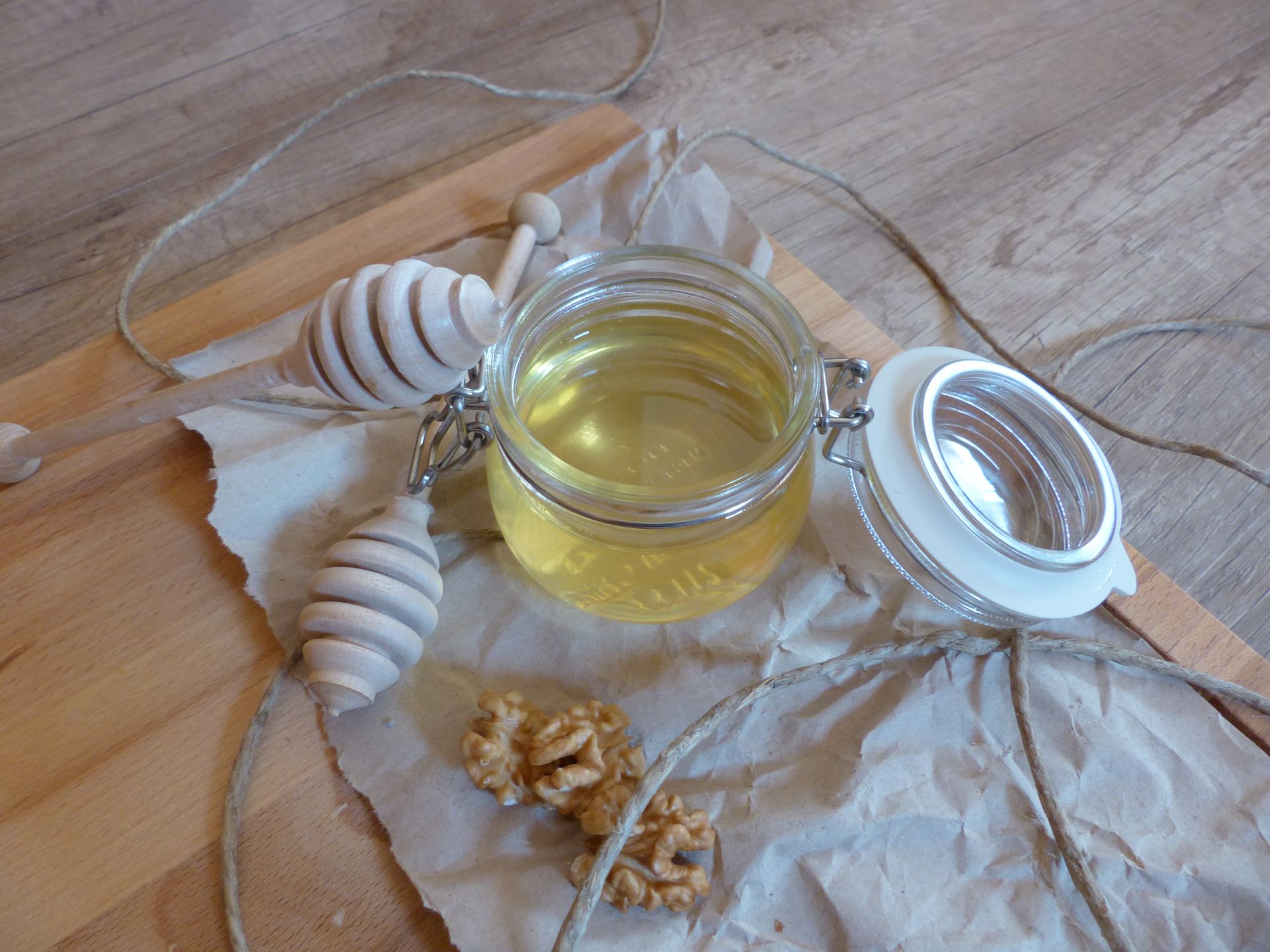 Acacia honey
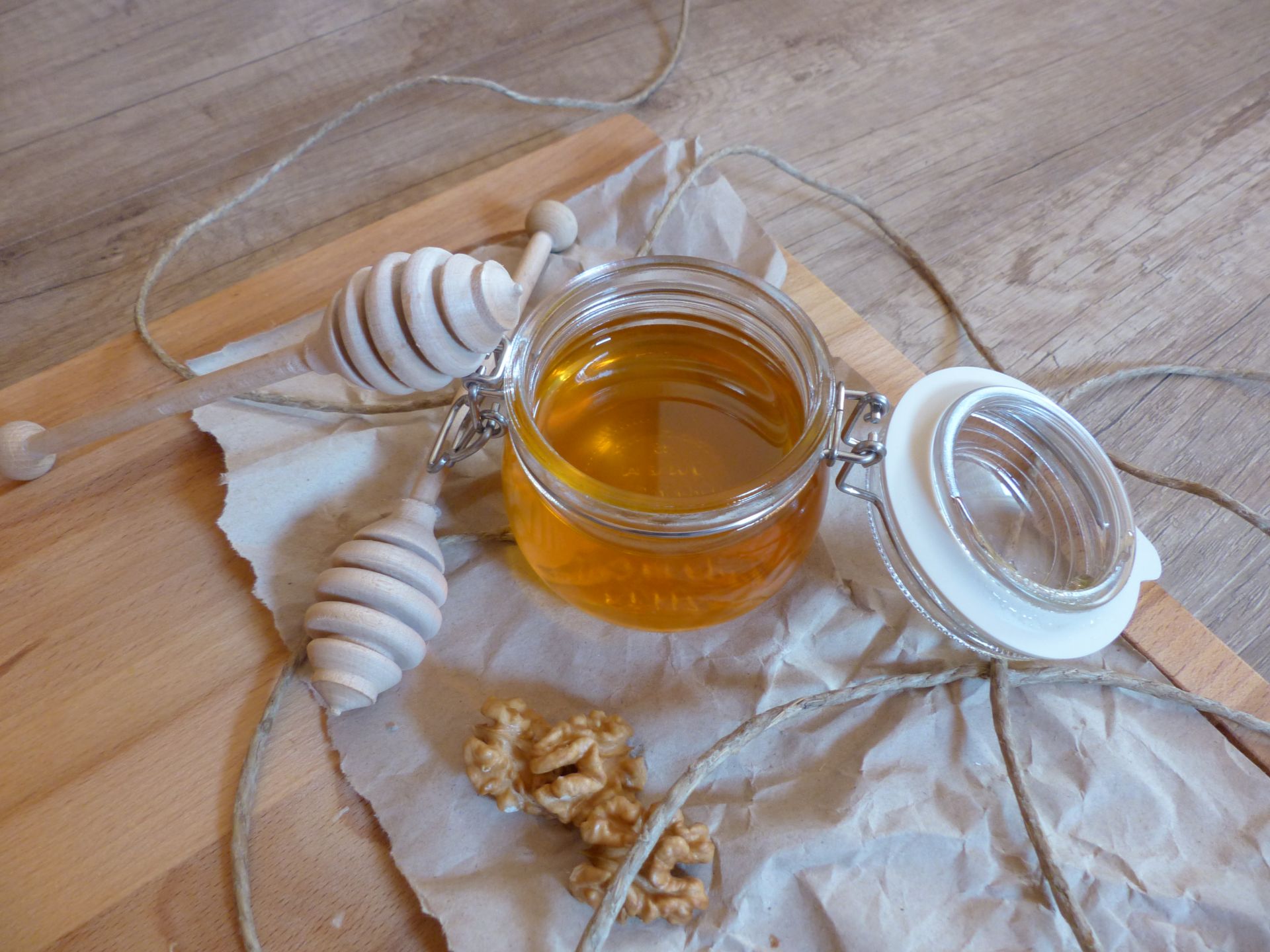 Wildflower honey
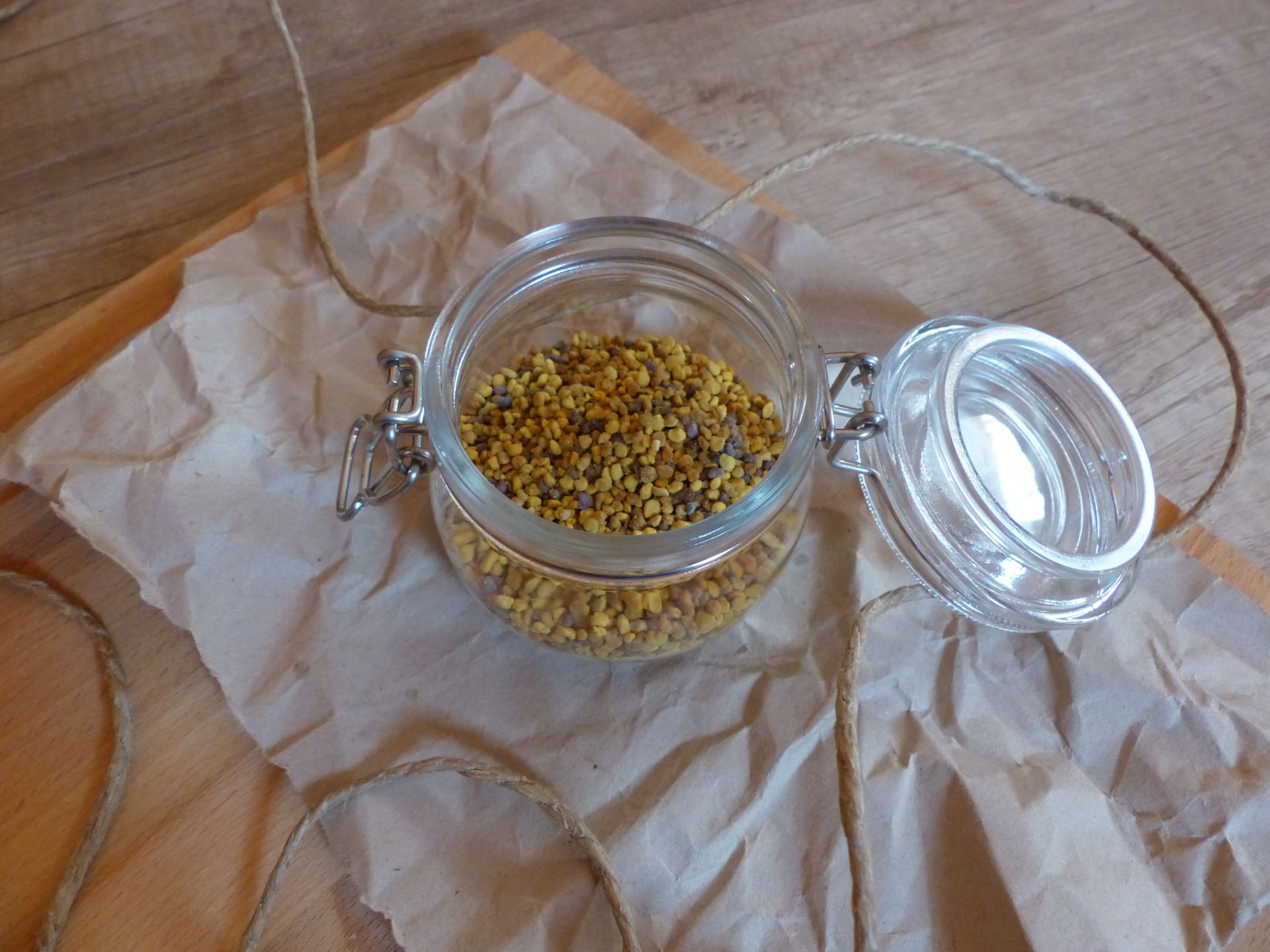 Bee pollen
Terms from the glossary
Sources
Share it if you found it useful
Read on
7 min read
Honey at a Hungarian Christmas: honey wafers, poppy seed guba and gingerbread
Honey wafers on Christmas Eve, poppy seeds and honey on the fasting table, gingerbread on the tree: honey was once one of the main flavours of a Hungarian Christmas. This is how the tradition lived – and how it can live on today.
3 min read
Why does honey crystallise, and what should you do about it?
If the honey in the jar has gone hard, it has not gone off: crystallisation is a natural process. Here is why it happens and how to make it runny again.
3 min read
Does honey go off? How to store it properly
Honey keeps for a very long time, but not for ever: moisture is its greatest enemy. Here is what to watch out for when storing it.