Learn · 3 min read
A guide to honey varieties: from acacia to honeydew honey
A monofloral honey is named after the plant the bees collected it from. Under EU rules, a variety name – such as “acacia honey” – may only appear on the label if the honey comes wholly or mainly from that plant. Every variety has its own flavour, colour and way of crystallising.
Acacia honey – the Hungarikum
Hungarian acacia honey was added to the Hungarikum Collection (the official register of Hungarian national treasures) in 2014. For good reason: acacia (black locust) woods cover around 463,000 hectares in Hungary, a quarter of the country’s forest area, and roughly half of all Hungarian honey is acacia honey.
Acacia honey is pale, mild and sweet, and stays runny for a very long time. Interestingly, its natural sucrose content can be higher than that of other honeys, so a separate limit applies to it. It’s at its best in tea, lemonade, desserts and in mézes krémes (Hungarian honey cream slice).
Rapeseed, milkweed, wildflower
Rapeseed honey is the first honey of the year: it crystallises to a creamy texture within days or weeks, which makes it easy to spread. Milkweed honey is pale like acacia honey but has a richer aroma and crystallises slowly – it’s best on its own, by the spoonful, and with fresh cheeses. Wildflower honey is made from the nectar of many different flowers, has a fuller flavour, and is our first choice for baking.
A common misconception: milkweed honey is not a Hungarikum – that title went to Hungarian acacia honey.
Chestnut and pine – the dark honeys
Chestnut honey is amber to dark brown, with a slightly bitter aftertaste. Pine honey isn’t a blossom honey at all: it’s a honeydew honey, meaning the bees collect not nectar but the sweet secretion of insects that feed on plant sap. In the lab, dark honeys can also be identified by their electrical conductivity, which is much higher than that of most blossom honeys.
Their bold flavour makes them a good match for meat, glazes and pumpkin: try them in honey-glazed spare ribs or honey-roasted pumpkin.
Our honeys mentioned here
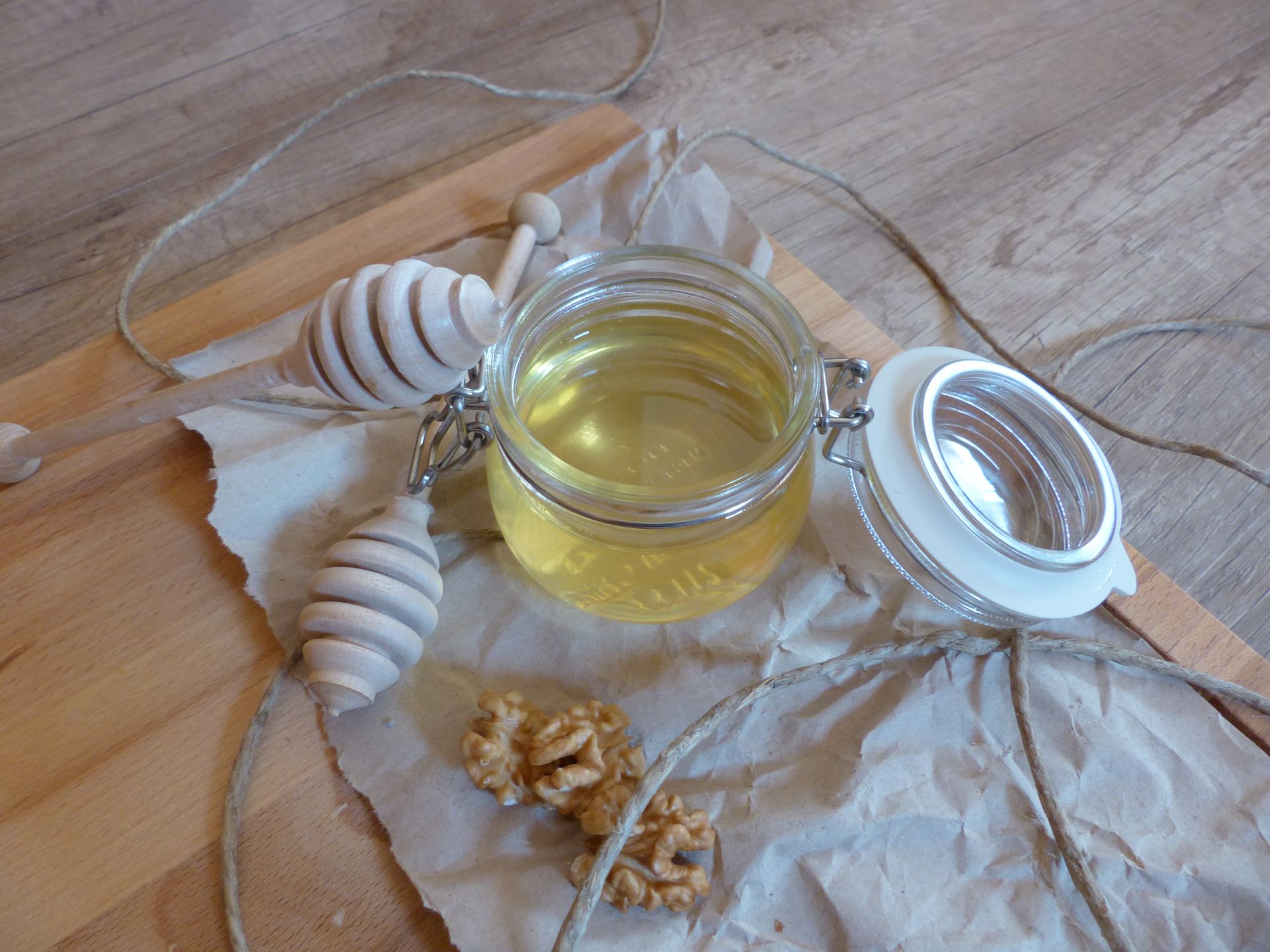 Acacia honey
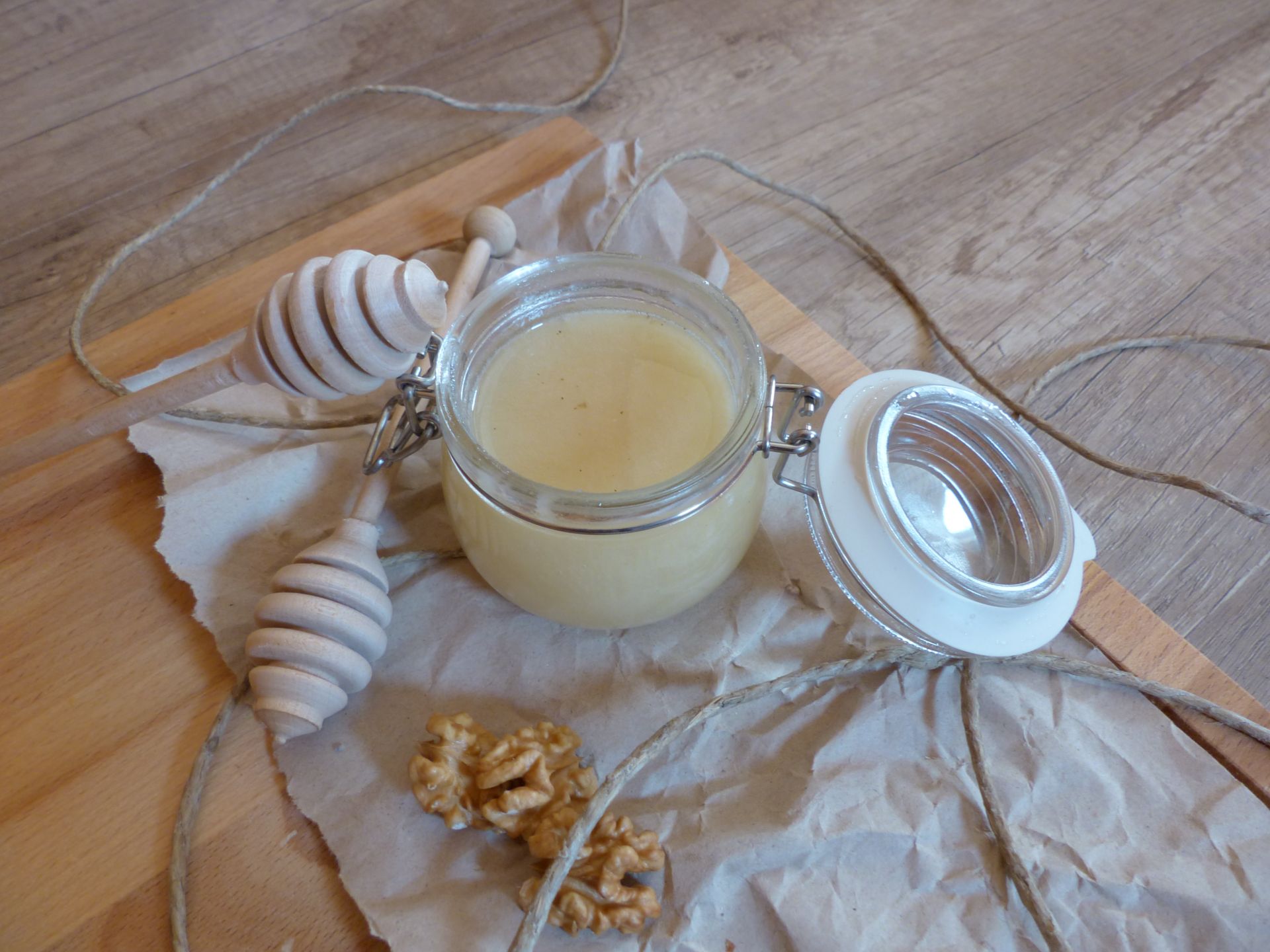 Rapeseed honey
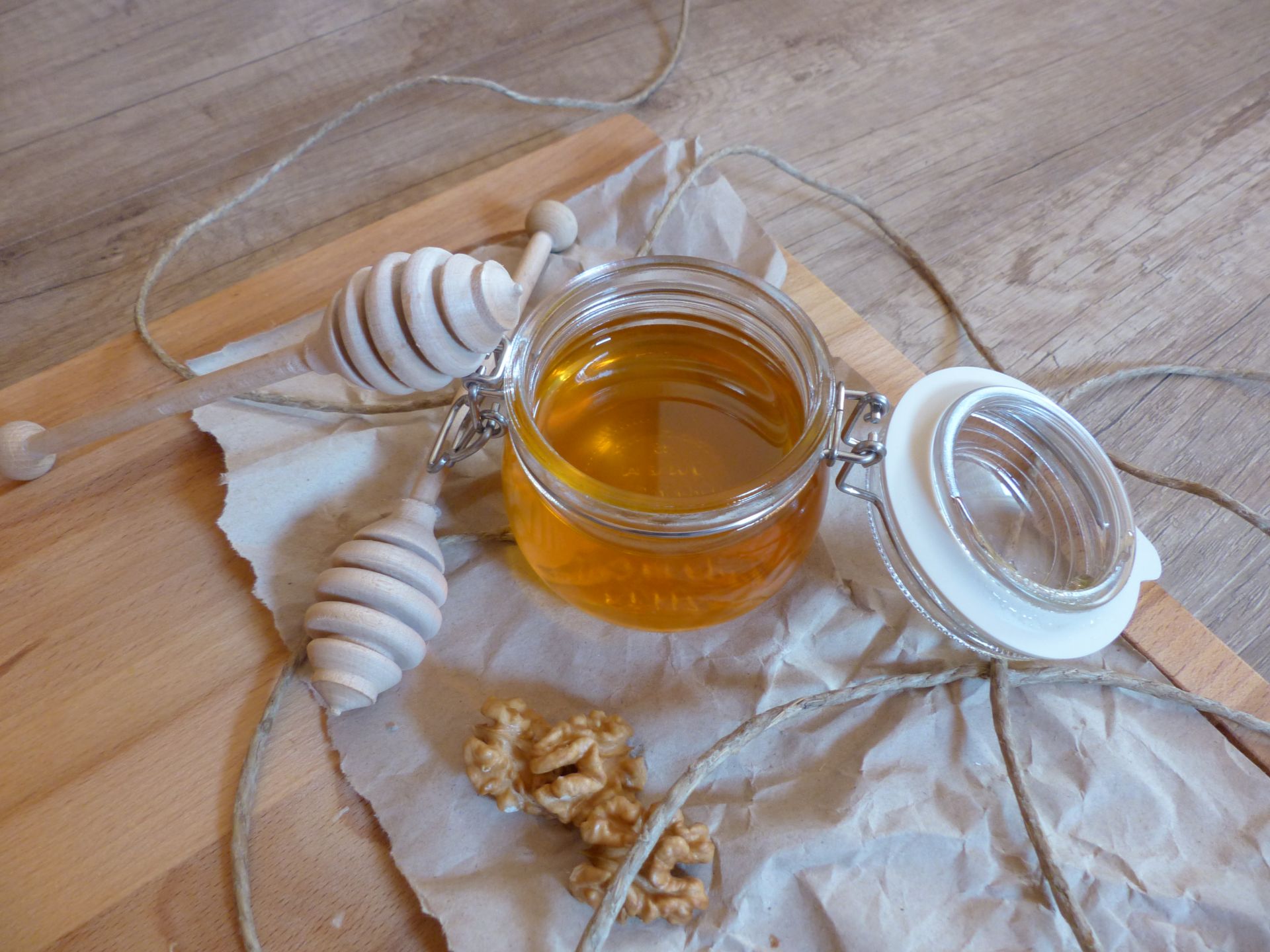 Milkweed honey
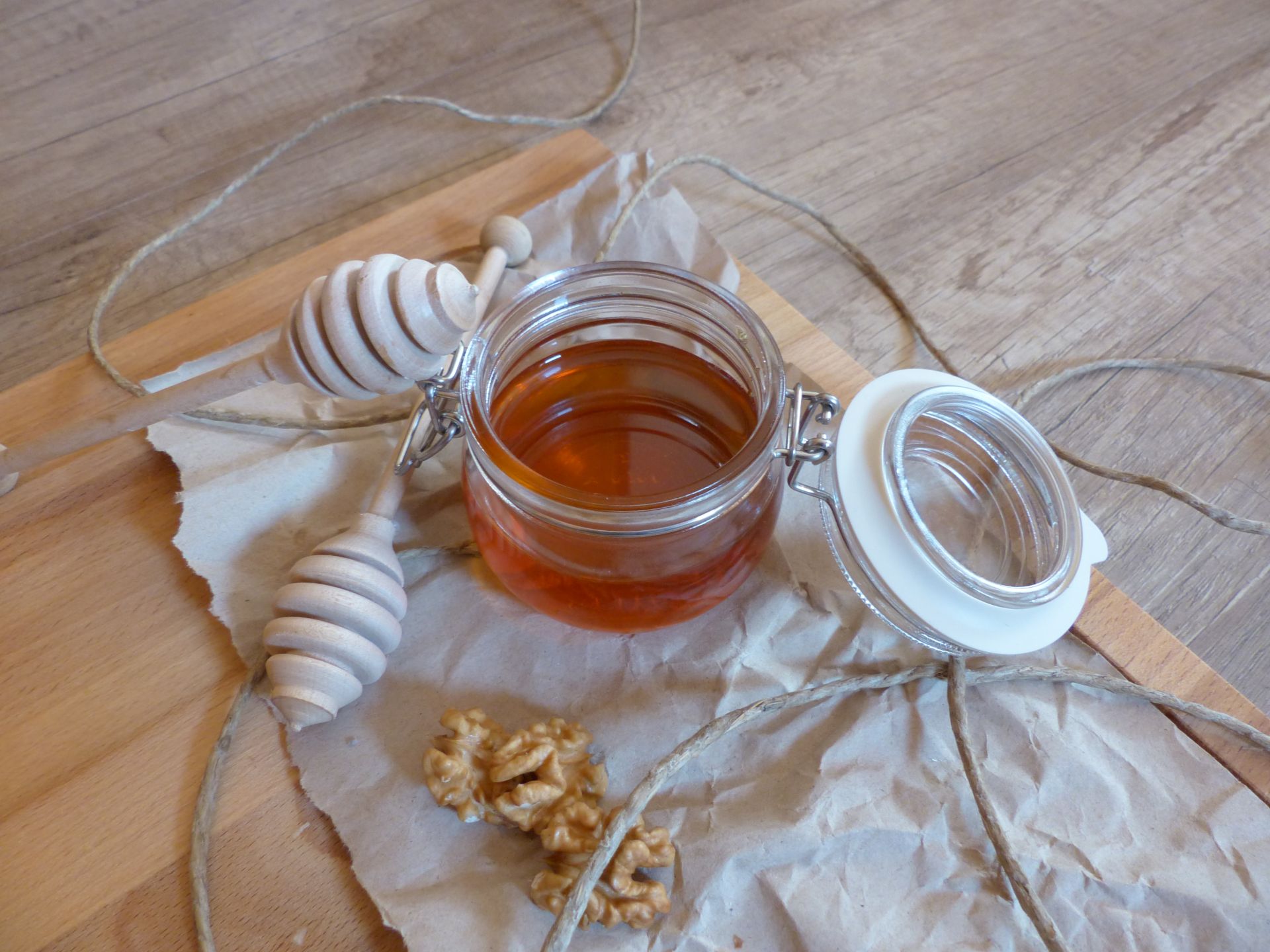 Chestnut honey
 Pine honey
Recipes on the topic
Baking1 hr 20 min
Classic mézes krémes (Hungarian honey cream slice)
Thin honey layers, a vanilla-and-lemon semolina cream and a little apricot jam. It rests overnight, which is what makes it so tender.
Recommended honey: Acacia honey
Main course18 min
Baked goat's cheese with walnut honey on salad
Warm goat's cheese baked on toast, with honey with walnuts, on a fruity salad. A light dinner or starter in a quarter of an hour.
Recommended honey: Honey with walnuts
Main course2 hrs 40 min
Sticky honey-glazed pork ribs
Pork ribs slow-roasted in beer until tender, finished with a sticky, glossy honey glaze. For festive meals and dinners with friends.
Recommended honey: Chestnut honey
Side dish50 min
Honey and lemon roasted squash
Squash roasted in big wedges and caramelised with lemon and thyme. A side for meat, or with cinnamon, a dessert.
Recommended honey: Chestnut honey
Terms from the glossary
Sources
- Directive 2001/110/EC relating to honey (variety names)
- Hungarikum – Hungarian acacia honey (in Hungarian)
- The Hungarikum proposal for Hungarian acacia honey (in Hungarian)
- Hungarian Food Codex 1-3-2001/110 – the composition of honey (in Hungarian)
- OMME–NAK: The role of monofloral honeys (in Hungarian)
- Zsuzsanna Kasperné Szél’s doctoral thesis (Corvinus University) – the aroma compounds of milkweed honey
Share it if you found it useful
Read on
7 min read
Honey at a Hungarian Christmas: honey wafers, poppy seed guba and gingerbread
Honey wafers on Christmas Eve, poppy seeds and honey on the fasting table, gingerbread on the tree: honey was once one of the main flavours of a Hungarian Christmas. This is how the tradition lived – and how it can live on today.
3 min read
Why does honey crystallise, and what should you do about it?
If the honey in the jar has gone hard, it has not gone off: crystallisation is a natural process. Here is why it happens and how to make it runny again.
3 min read
Does honey go off? How to store it properly
Honey keeps for a very long time, but not for ever: moisture is its greatest enemy. Here is what to watch out for when storing it.