Learn · 3 min read
The life of a honey bee colony: summer bees, winter bees, the queen and the dance
A colony of honey bees is not simply a lot of bees in one place: researchers also call it a “superorganism”, because it works like a single living being. Everyone has their own task, and all year round the colony adapts to the weather and to what is in flower.
Who lives in a hive?
A colony has 2,000–60,000 worker bees and at most a few hundred drones, with a single queen. The workers are female: they collect the nectar and the pollen, raise the brood, build the comb and guard the hive. The drones’ job is mating – before winter the colony drives them out.
A good queen lays more than 2,000 eggs a day at the height of the season. Every larva gets royal jelly in its first days, but only the one fed exclusively on royal jelly throughout becomes a queen – she develops in about 16 days.
Summer bees, winter bees
As adults, summer workers live on average only about three weeks – foraging is exhausting work. In autumn, however, different bees are raised: in cold climates winter bees can live for more than five months, and they carry the colony through to spring.
In winter the bees huddle into a tight cluster and keep each other and the queen warm by shivering their muscles. The centre of the cluster is always warmer, and the bees keep changing places.
How far do they fly?
A study in England analysed more than five thousand bee dances: the average foraging distance was half a kilometre in spring, 2.2 km in summer and 1.3 km in autumn. When food is scarce they fly much further.
Bees tell each other where to find flowers by dancing. Karl von Frisch received the Nobel Prize in Physiology or Medicine in 1973 for decoding this “language”.
The Hungarian bee
The typical bee in Hungarian apiaries is the Pannonian bee (pannon méh), a variety of the Carniolan bee. It received state recognition in 2001, and since 2012 it has been registered as a breed in its own right.
A bee colony gives more than honey: the bees collect propolis from tree buds, carry Bee pollen home on their legs, and young workers produce Royal jelly.
Our honeys mentioned here
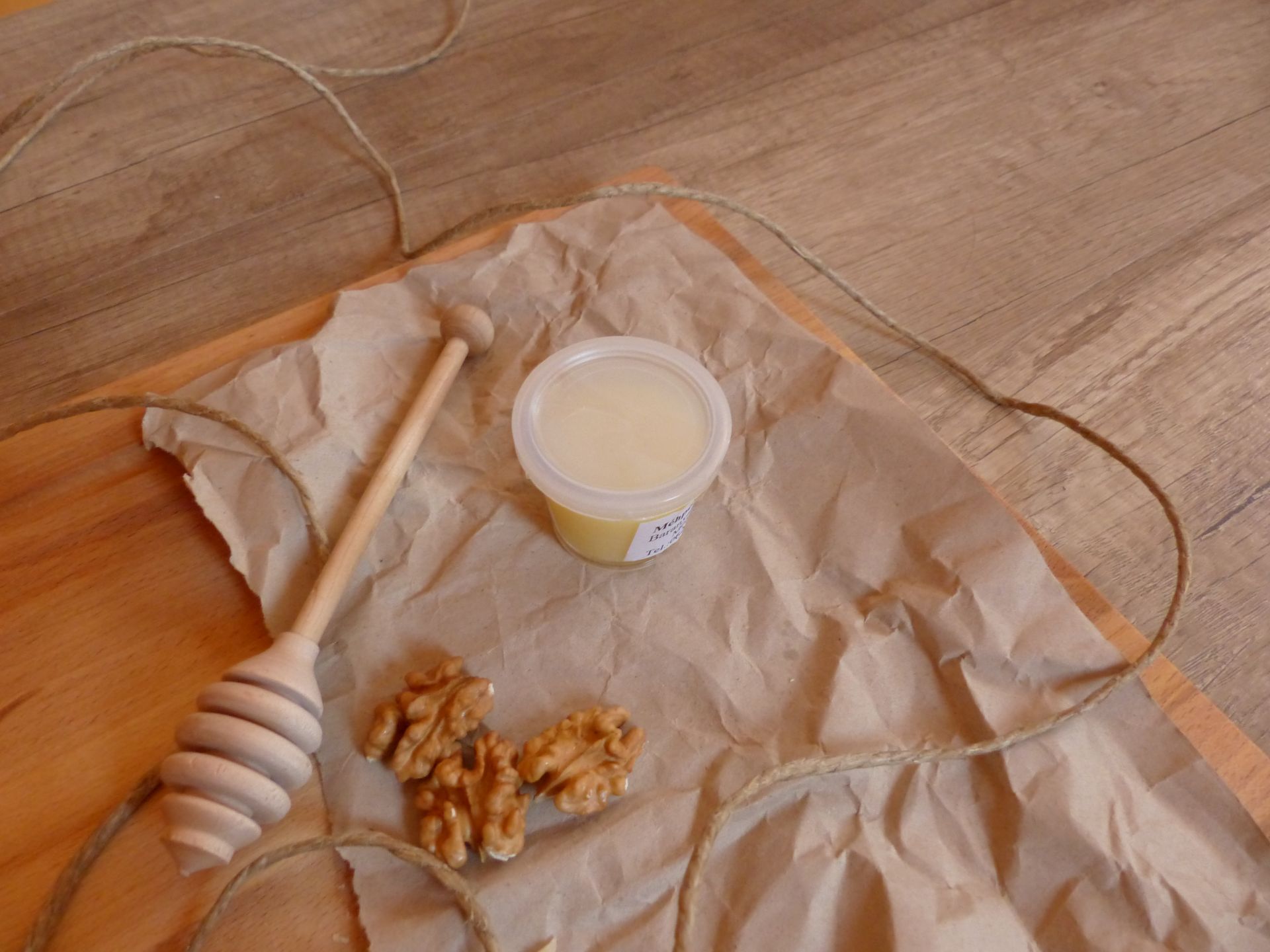 Royal jelly
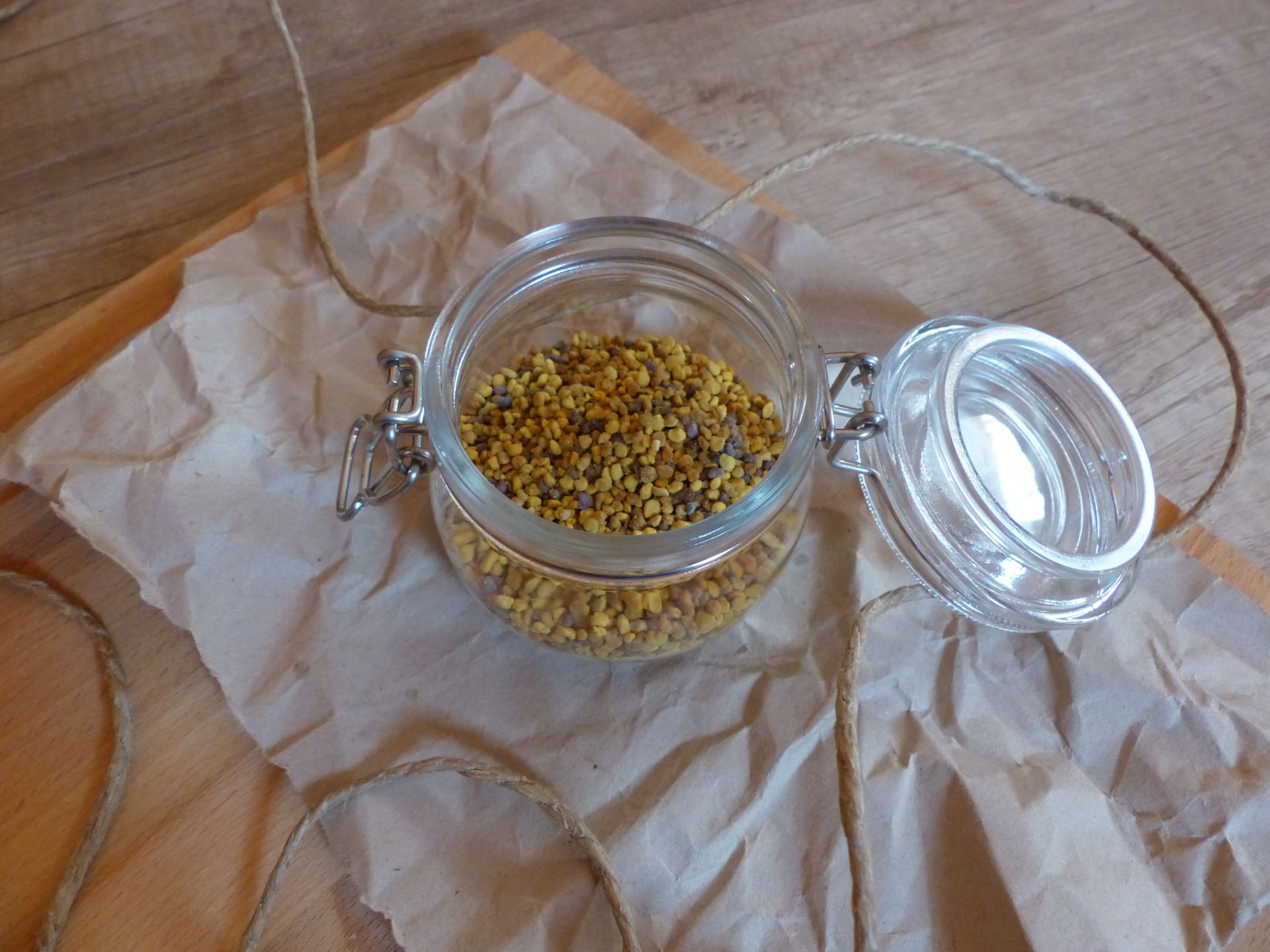 Bee pollen
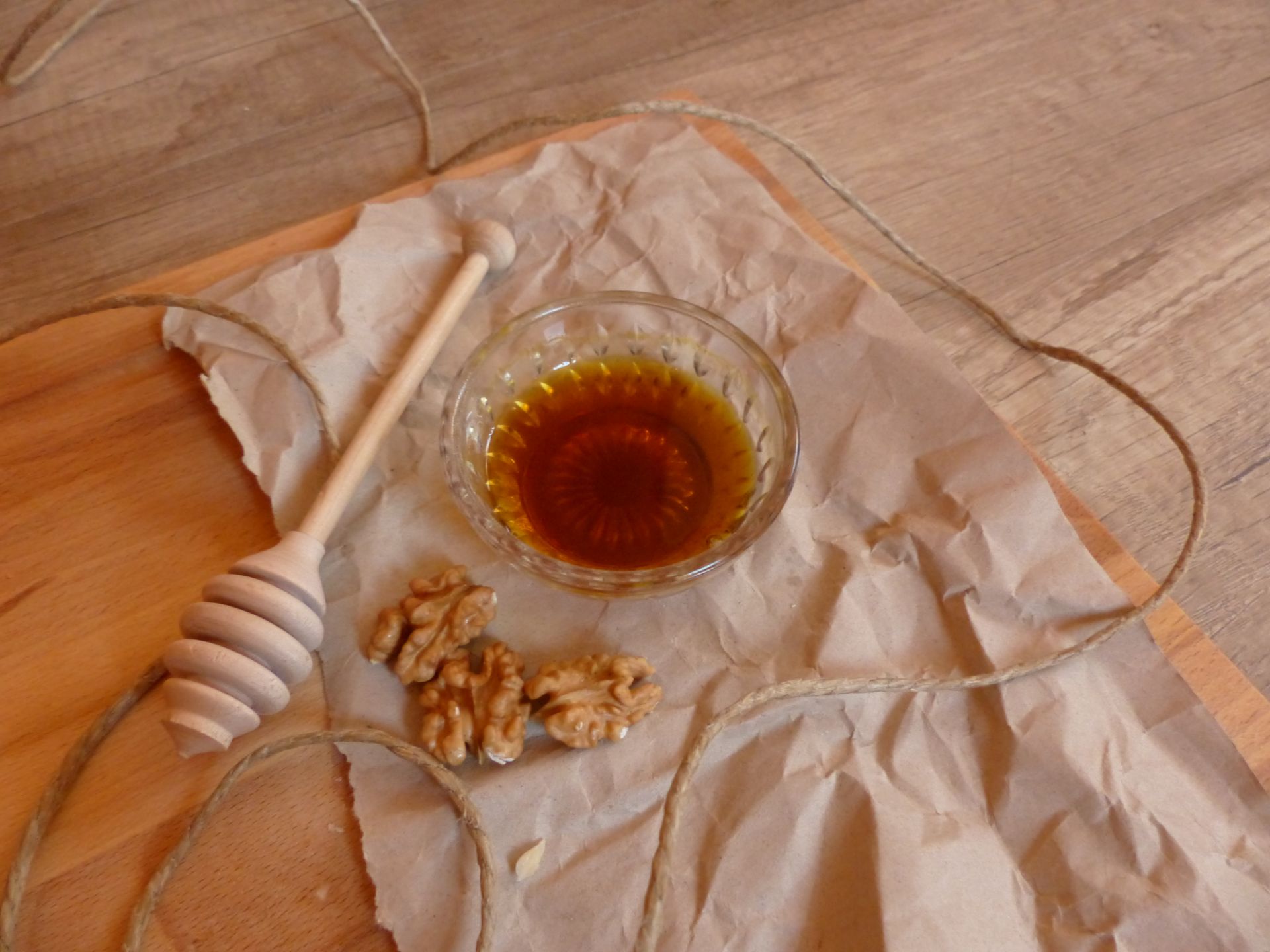 Propolis tincture
Terms from the glossary
Sources
- University of Georgia – honey bee biology
- On the lifespan of winter bees (PMC)
- Penn State Extension – queen development
- PLOS ONE – foraging distances from bee dances
- Nobel Prize 1973 – Karl von Frisch
- Nébih (Hungary’s food chain safety authority) – performance testing code for the Pannonian bee (in Hungarian)
Share it if you found it useful
Read on
7 min read
Honey at a Hungarian Christmas: honey wafers, poppy seed guba and gingerbread
Honey wafers on Christmas Eve, poppy seeds and honey on the fasting table, gingerbread on the tree: honey was once one of the main flavours of a Hungarian Christmas. This is how the tradition lived – and how it can live on today.
3 min read
Why does honey crystallise, and what should you do about it?
If the honey in the jar has gone hard, it has not gone off: crystallisation is a natural process. Here is why it happens and how to make it runny again.
3 min read
Does honey go off? How to store it properly
Honey keeps for a very long time, but not for ever: moisture is its greatest enemy. Here is what to watch out for when storing it.