Learn · 3 min read
The beekeeping year: what does a beekeeper do from January to December?
From the outside it looks as if the beekeeper extracts honey in summer, and that’s it. In reality the work goes on all year – and most of it is not about honey but about keeping the colony healthy and strong.
Winter: calm in the hive
In winter the bees rest in a cluster, and the beekeeper does not open the hives. This is the time for repairing equipment, making frames and making sure the colonies are left undisturbed. The critical period comes at the end of winter: brood rearing has already started, but nothing is in flower yet, so the colony’s stores can run low.
It is also the season for gingerbread and warm cups of tea.
Spring: growth and the first extraction
In spring the colonies grow strong quickly. Rapeseed flowers in March and April – this gives the first honey of the year, creamy Rapeseed honey. Next comes the most important Hungarian nectar flow, the acacia: typically from early May to mid-June, in recent years often as early as the second half of April. This is what Acacia honey is made from.
Spring is when the bees gather the most Bee pollen, and when Royal jelly is produced too. On the table there are fresh vegetables, such as honey-roasted baby carrots.
Summer: nectar flow and extraction
Lime trees flower in June and July, and milkweed in midsummer – this gives fragrant Milkweed honey. The beekeeper extracts a lot at this time. At the end of summer, in August, comes the most important health task for the bees: controlling the varroa mite, because this is when mite numbers are highest and when the winter bees are being raised.
In summer a mint honey lemonade and strawberry yoghurt pots go down well.
Autumn: getting ready for winter
In autumn the beekeeper prepares the colonies for overwintering: checking their stores and the condition of the hives. This is when full-flavoured Chestnut honey comes to the fore, and in the kitchen honey-roasted pumpkin.
Good to know if you’d like to keep bees
A few rules in Hungary that many people don’t know:
- Beekeeping must be reported within 8 days of starting to the jegyző (chief administrative officer) of the local council – in Budapest, of the district council.
- Pesticides that are dangerous to bees may be applied no earlier than one hour before sunset and no later than 11 pm; during flowering, products specifically dangerous to bees are banned.
- 30 April is Bees’ Day in Hungary, and 20 May is World Bee Day – the latter was proclaimed by the UN in 2017.
Our honeys mentioned here
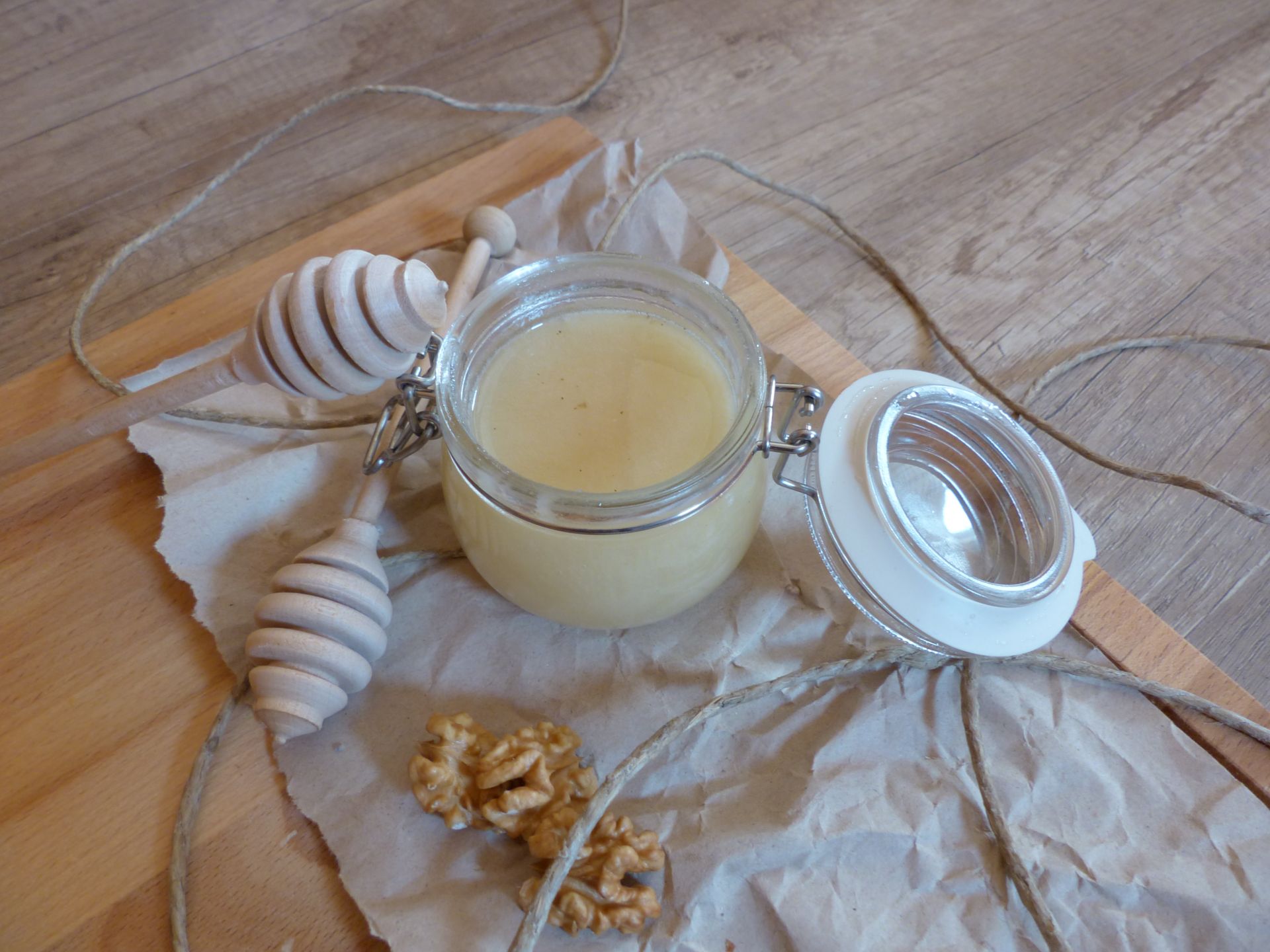 Rapeseed honey
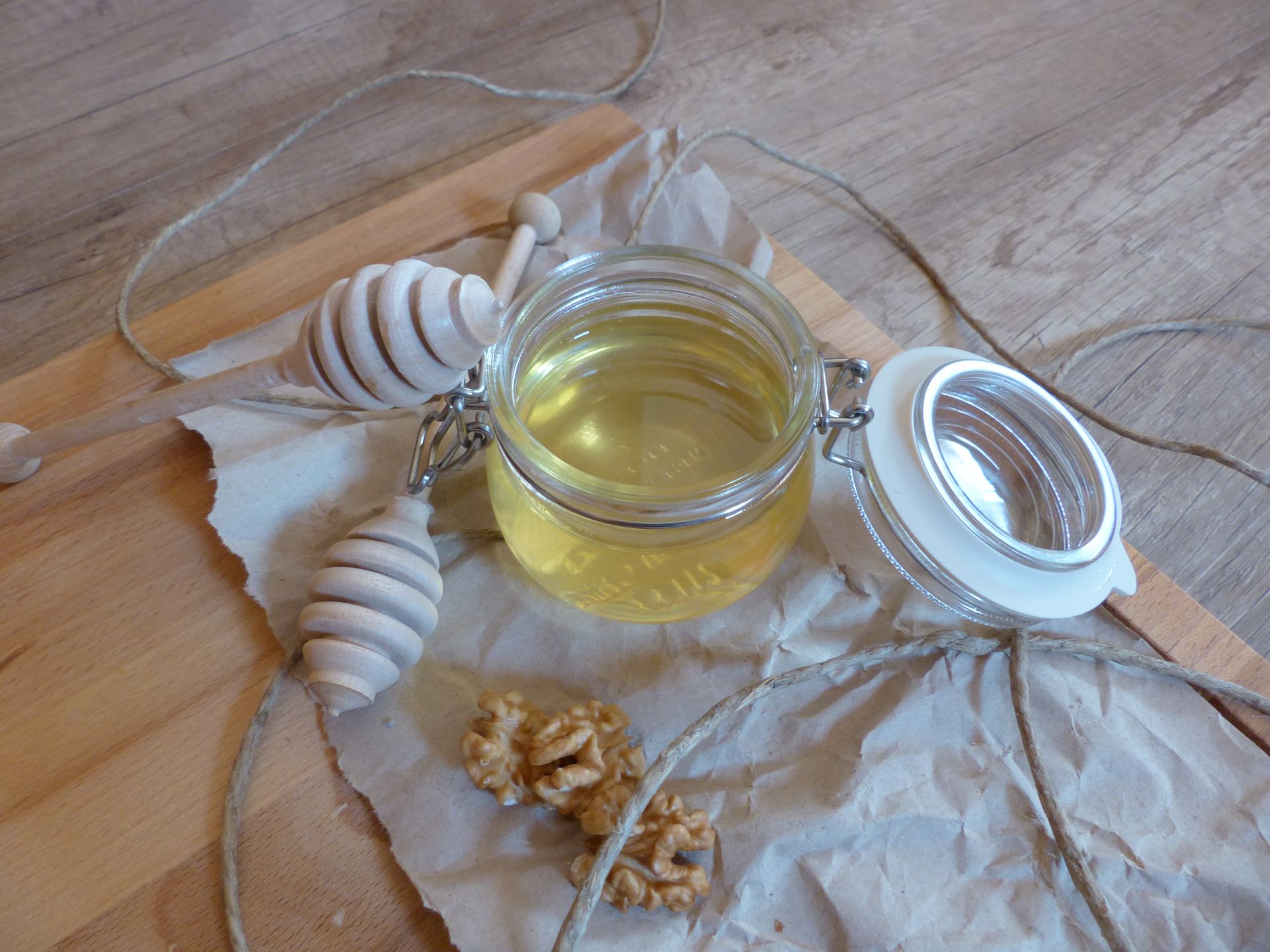 Acacia honey
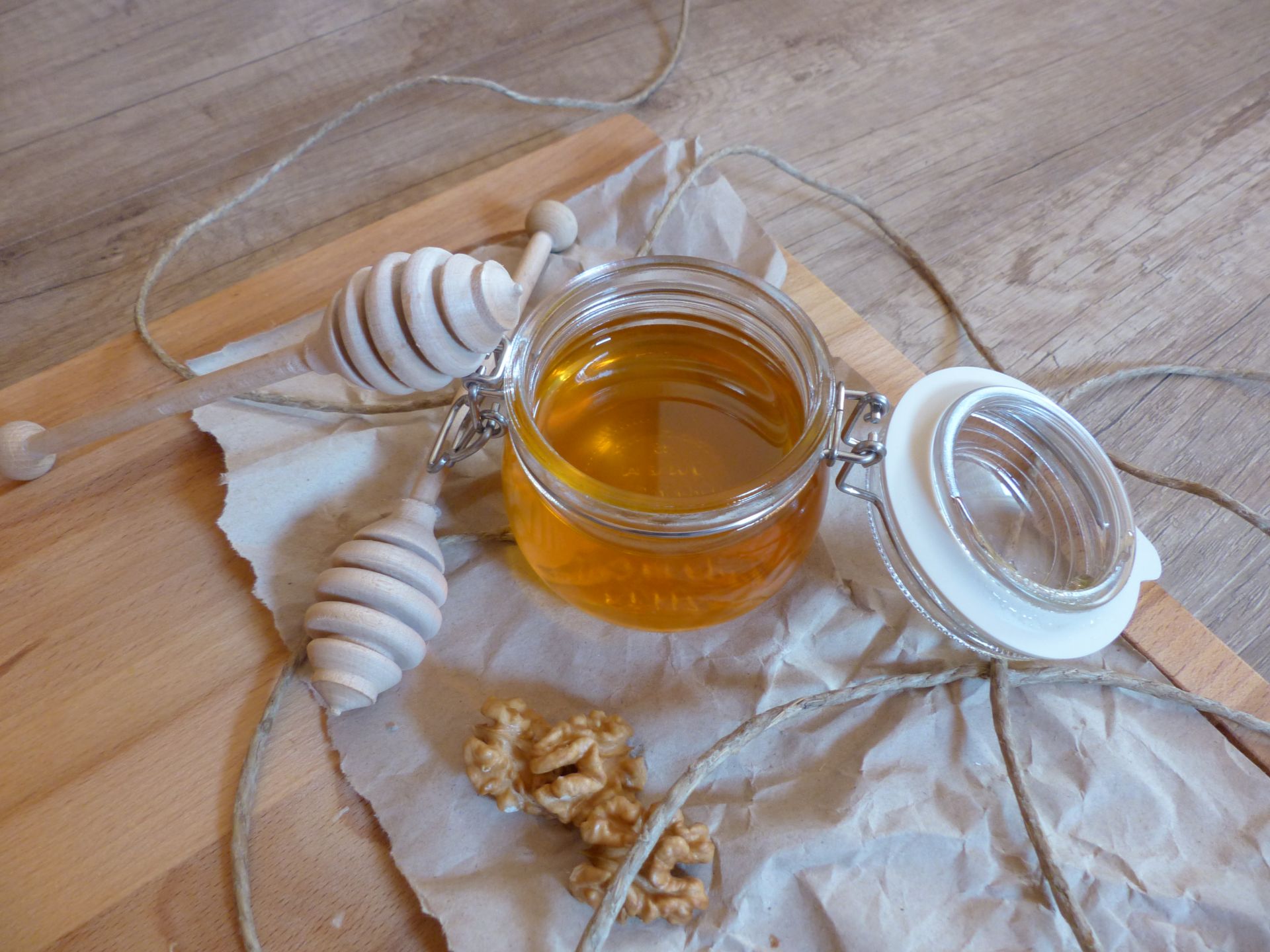 Milkweed honey
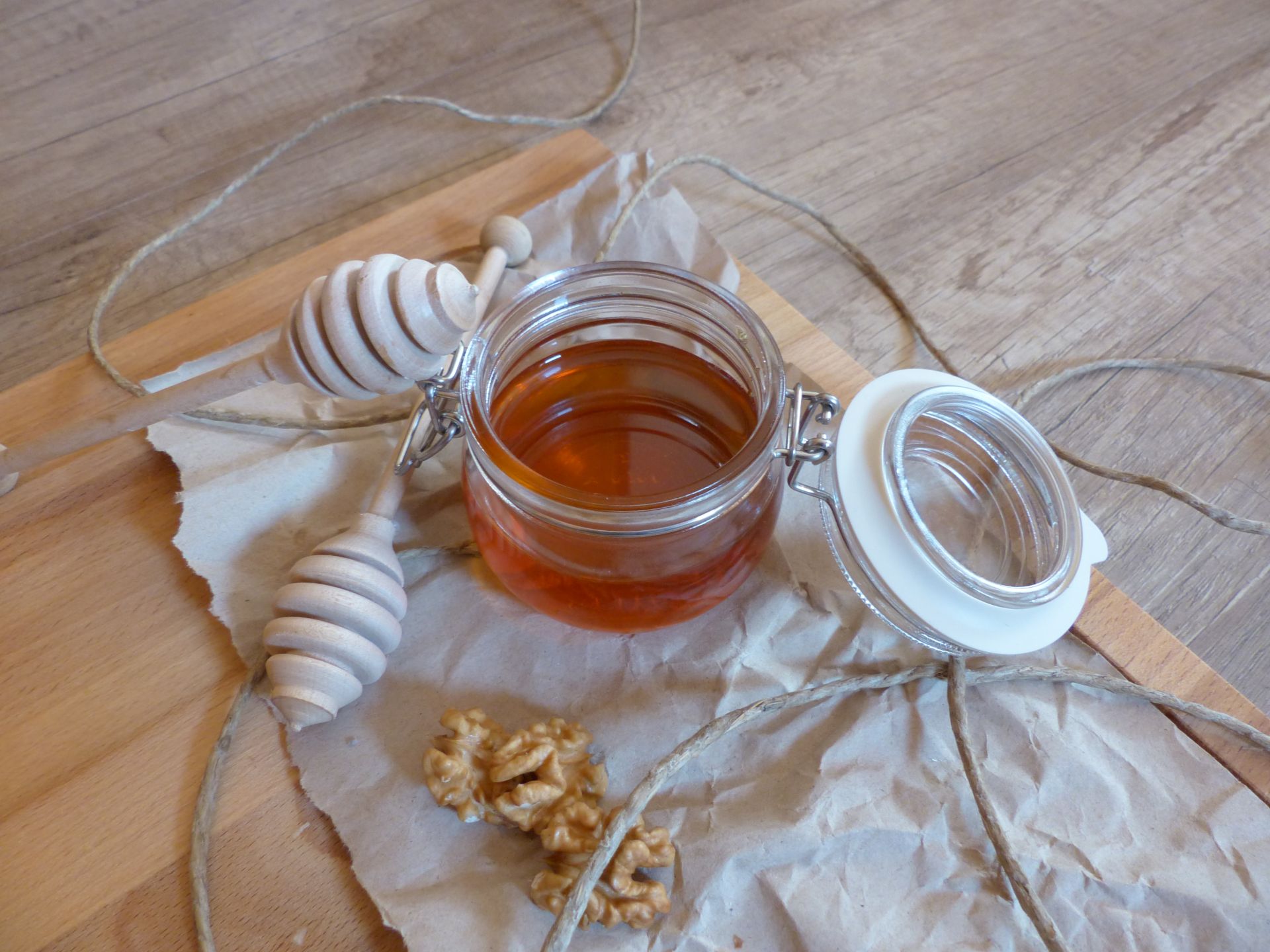 Chestnut honey
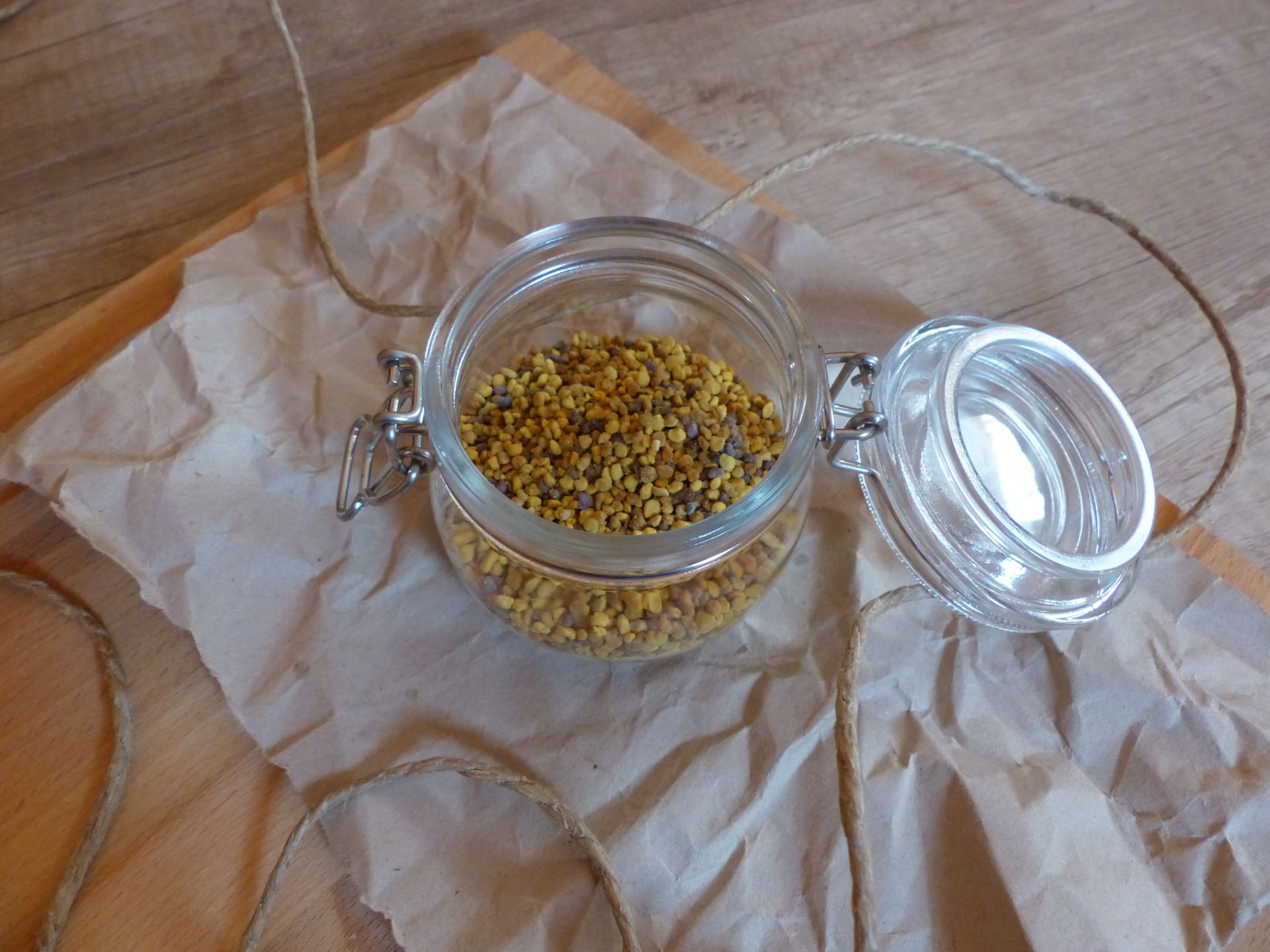 Bee pollen
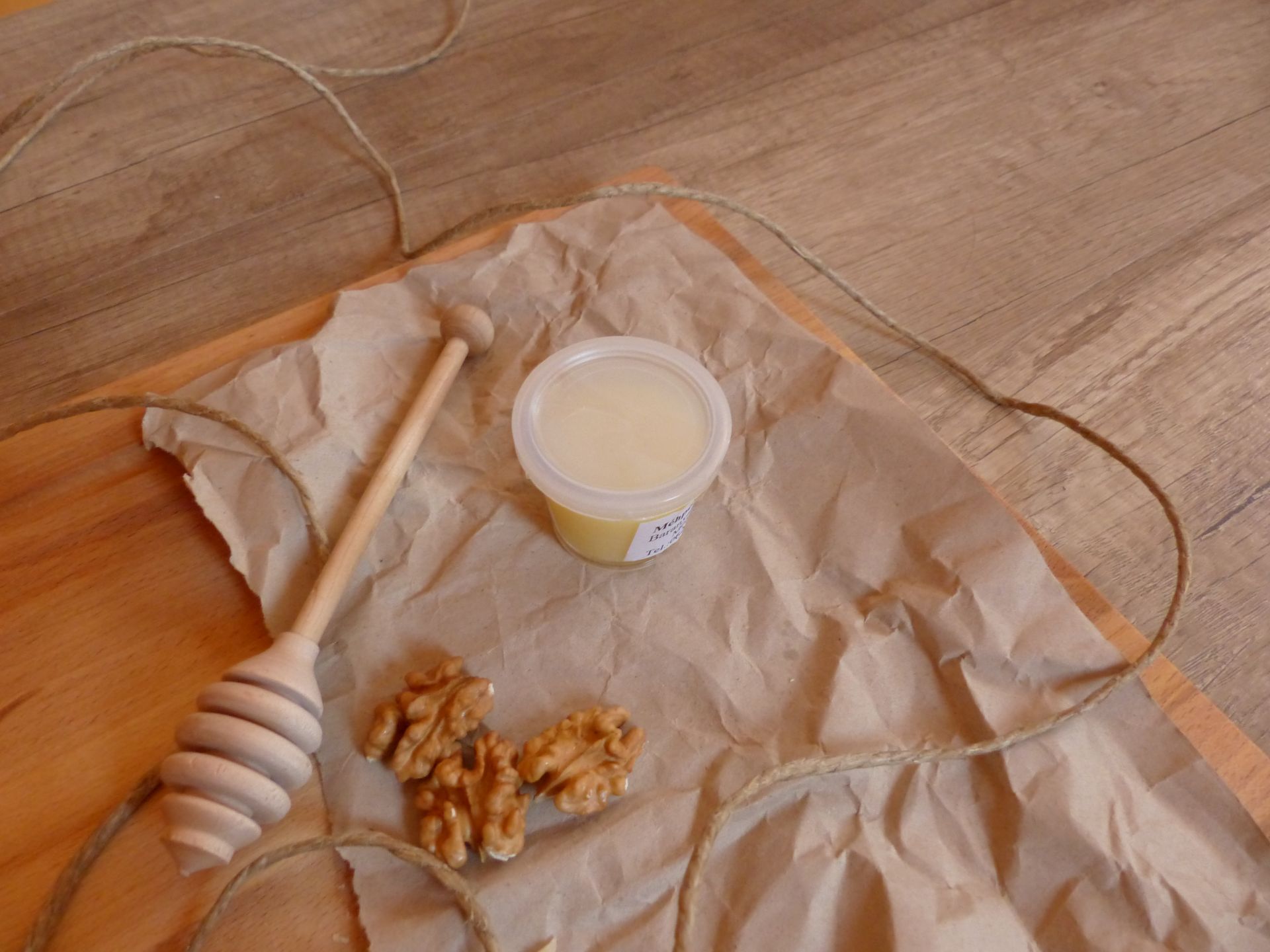 Royal jelly
Recipes on the topic
Side dish40 min
Honey and garlic roasted new carrots
Whole roasted new carrots, tossed at the end in honey-garlic butter until glossy. A spring side for meat and fish.
Recommended honey: Rapeseed honey
Dessert15 min
Strawberry and yoghurt pots with elderflower honey
Biscuit crumbs, honeyed Greek yoghurt and strawberries steeped in honey, in layers. A no-bake dessert that works for breakfast too.
Recommended honey: Honey with elderflower
Drink10 min
Mint and honey lemonade
Lemon and lime lemonade sweetened with honey with mint instead of sugar, plus fresh mint and plenty of ice. Ten minutes, no cooking.
Recommended honey: Honey with mint
Side dish50 min
Honey and lemon roasted squash
Squash roasted in big wedges and caramelised with lemon and thyme. A side for meat, or with cinnamon, a dessert.
Recommended honey: Chestnut honey
Baking45 min
Soft honey gingerbread, no resting needed
Spiced honey gingerbread that's soft straight away and doesn't need days to mature: you can bake and decorate it on the same day.
Recommended honey: Wildflower honey
Terms from the glossary
Sources
- Magyar Mezőgazdaság (Hungarian farming weekly) – bee forage plants (in Hungarian)
- Magyar Mezőgazdaság – acacia as a nectar plant (in Hungarian)
- Magyar Mezőgazdaság – varroa control (in Hungarian)
- Nébih (Hungary’s food chain safety authority) Magazine 2025 – keeping bees (in Hungarian)
- FAO – World Bee Day
Share it if you found it useful
Read on
7 min read
Honey at a Hungarian Christmas: honey wafers, poppy seed guba and gingerbread
Honey wafers on Christmas Eve, poppy seeds and honey on the fasting table, gingerbread on the tree: honey was once one of the main flavours of a Hungarian Christmas. This is how the tradition lived – and how it can live on today.
3 min read
Why does honey crystallise, and what should you do about it?
If the honey in the jar has gone hard, it has not gone off: crystallisation is a natural process. Here is why it happens and how to make it runny again.
3 min read
Does honey go off? How to store it properly
Honey keeps for a very long time, but not for ever: moisture is its greatest enemy. Here is what to watch out for when storing it.