Learn · 5 min read
Honey tasting at home: how to get to know the flavours of different honeys
Put three or four single-variety honeys side by side and you’ll be surprised how different they are: one is floral and mellow, another bitterish and woody. Honey tasting has a professional method. Italy has kept a national register of honey sensory experts since 1999, and in Hungary a national standard has described the sensory evaluation of honey since 2017. There’s more than enough in it for an evening with friends.
What you’ll need
The preparation is simple:
- Three to five different honeys, for example acacia honey, rapeseed honey, milkweed honey, wildflower honey and chestnut honey.
- A stemmed wine glass for each honey, and a small plate to cover it. For professional tastings, about 40 g of honey goes into each glass.
- A separate tasting spoon for each honey.
- Water, a few slices of tart apple and plain bread to have between samples.
- The honeys should be at room temperature (18–25 °C), just as in professional tastings.
How to taste: colour, aroma, flavour, aftertaste
The method described by the International Honey Commission (IHC) has four steps:
- Look at it. Colour is the only visible property that hints at a honey’s origin. The scale runs from water-white to dark amber: acacia honey is very light, chestnut honey dark with a reddish tinge.
- Smell it. Stir the honey in the glass, lift off the plate, and smell the aroma that has gathered.
- Taste it. Let one or two grams – the tip of a teaspoon – melt on your tongue. Notice the sweetness, acidity and bitterness, then the aroma that rises from your mouth towards your nose.
- Notice the aftertaste. With some honeys the flavour fades within half a minute; with others it lasts more than five minutes.
Between samples
Wait a few minutes between two honeys, rinse with water and have a bite of apple or bread. It’s best to start with the light, milder honeys and move towards the dark, full-flavoured ones, because light honeys are generally milder and dark ones stronger.
If one of the honeys has crystallised, that’s fine – in fact, the fine crystals of creamed rapeseed honey give a pleasant, cooling feeling on the tongue as they melt. If you’d rather taste it runny, here’s how to liquefy it again.
What you might notice in each variety
Based on the professional descriptions of European single-variety honeys:
- Acacia honey: very light, with a delicate, floral-fruity aroma. Sweet, barely acidic, with no bitterness and a short aftertaste.
- Rapeseed honey: light, crystallises quickly into very fine, whitish crystals. Moderately sweet, with a short aftertaste.
- Milkweed honey: as light in colour as acacia honey, but according to Hungarian doctoral research it contains more of most aroma compounds – which is why its aroma is richer.
- Wildflower honey: no two are alike – its flavour depends on what was in flower, so it changes from year to year.
- Chestnut honey: dark, reddish, with a strong, woody aroma. Not very sweet, distinctly bitterish, with a long-lasting, slightly astringent aftertaste.
- Pine honey and other honeydew honeys: dark and thick, with a woody, warm aroma, less sweet than blossom honeys.
What goes with what? Honey and cheese
The basic rule of the Italian honey trade association: a sweet, mild honey goes with a strong, sharp cheese, and a bitterish honey with a milder cheese.
- Acacia honey balances the salty, sharp flavour of blue cheeses such as gorgonzola.
- Chestnut honey suits semi-mature cheeses; it overpowers very young cheese.
- Wildflower honey is good with aged goat’s and sheep’s cheeses – try baked goat’s cheese with walnut honey.
- Honeydew honey pairs well with smoked and aged cheeses.
Hungarian honeys in front of the judges
Every year the town of Gyula, in south-east Hungary, hosts the “Excellent Hungarian Honey of the Year” (Az Év Kiváló Magyar Méze) competition, organised by the Békés County beekeepers’ association and OMME, the Hungarian National Beekeepers’ Association. In 2024, 162 beekeepers entered 489 samples. The judges first assess the honeys by the senses – purity, colour and aroma typical of the variety, clean flavour and overall harmony – and then the samples are tested in the lab for water content, pollen and whether the honey has been overheated. The same criteria you can try out at home. For where the varieties come from, see our guide to honey varieties.
Our honeys mentioned here
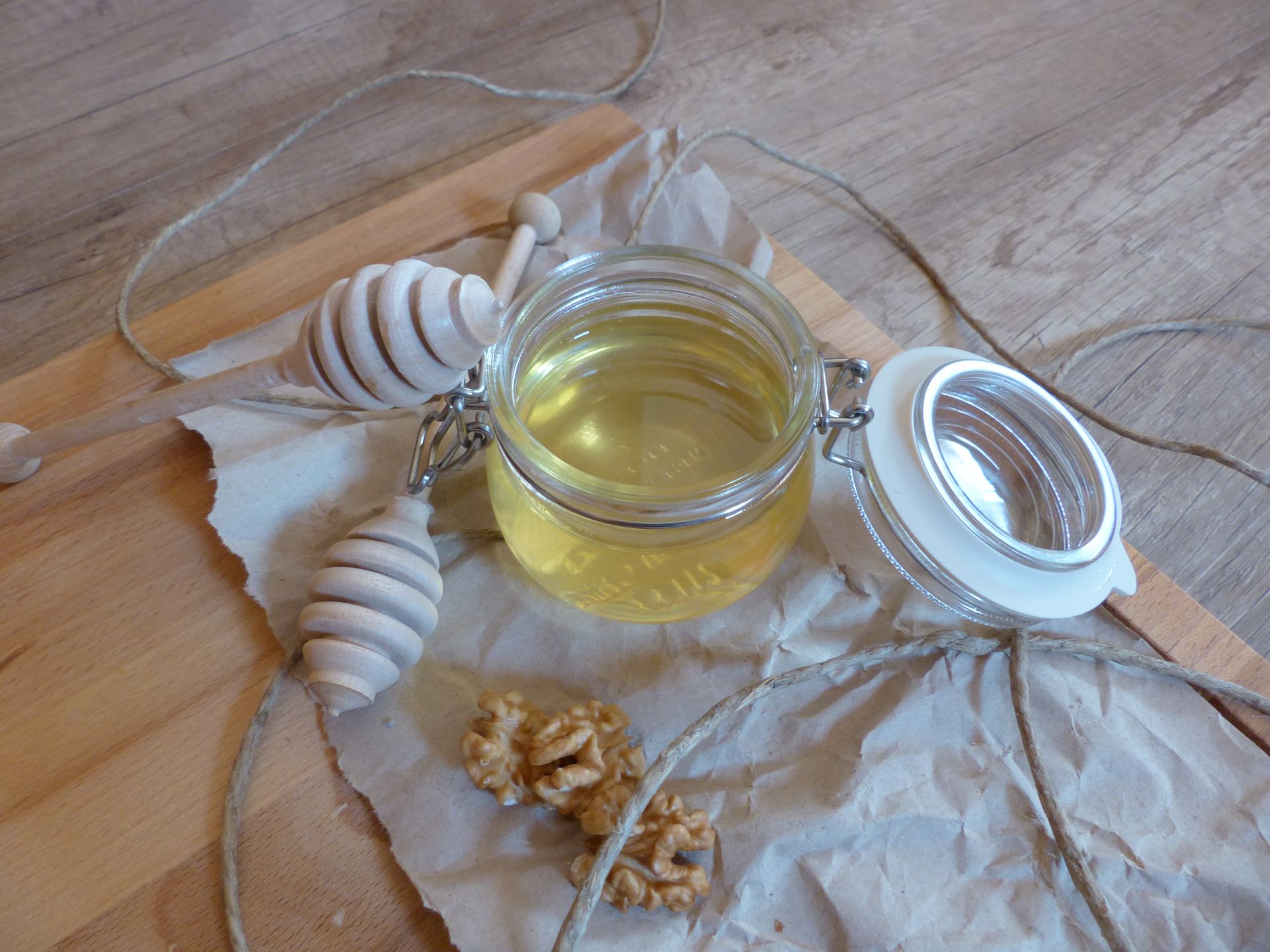 Acacia honey
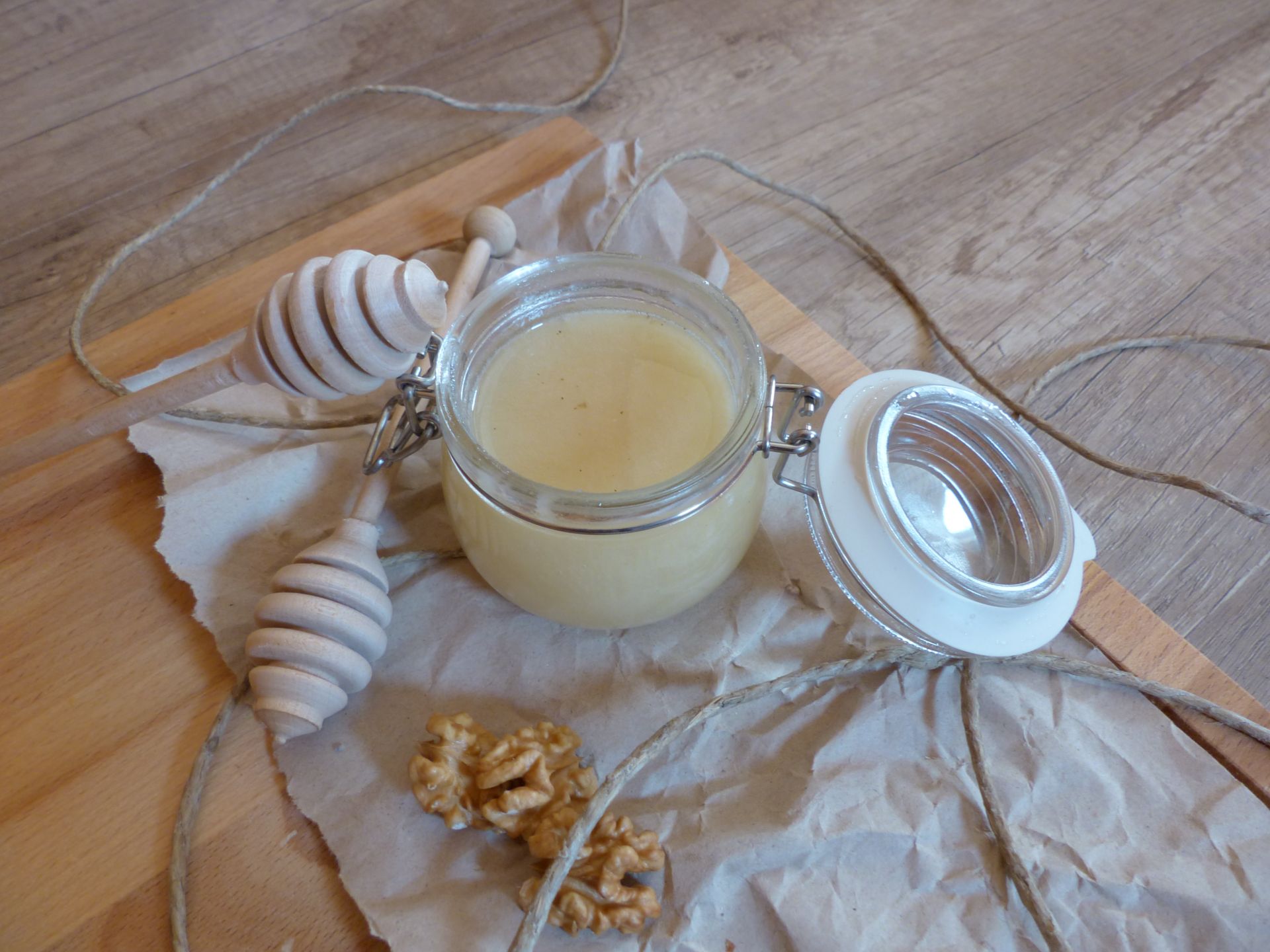 Rapeseed honey
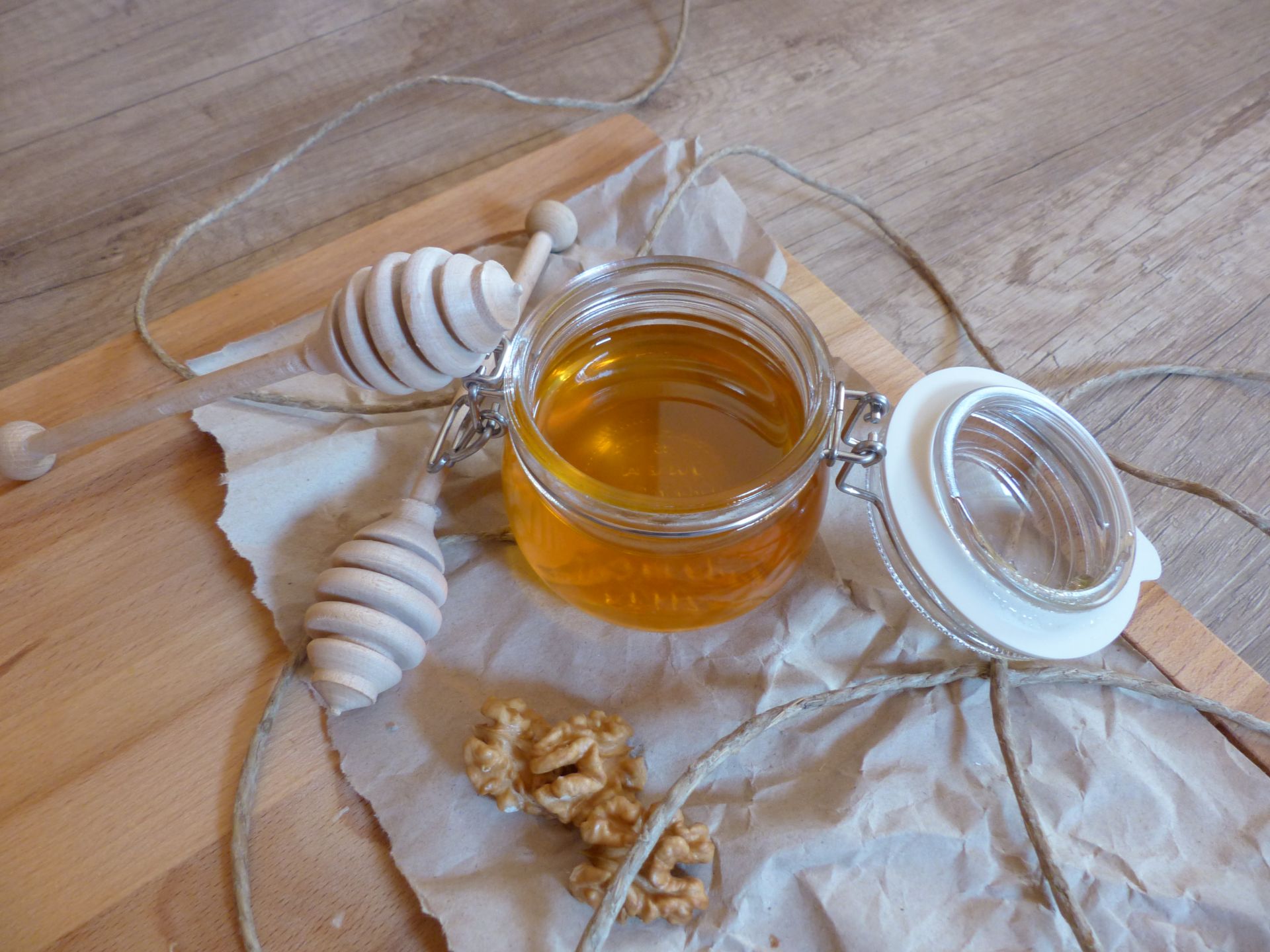 Milkweed honey
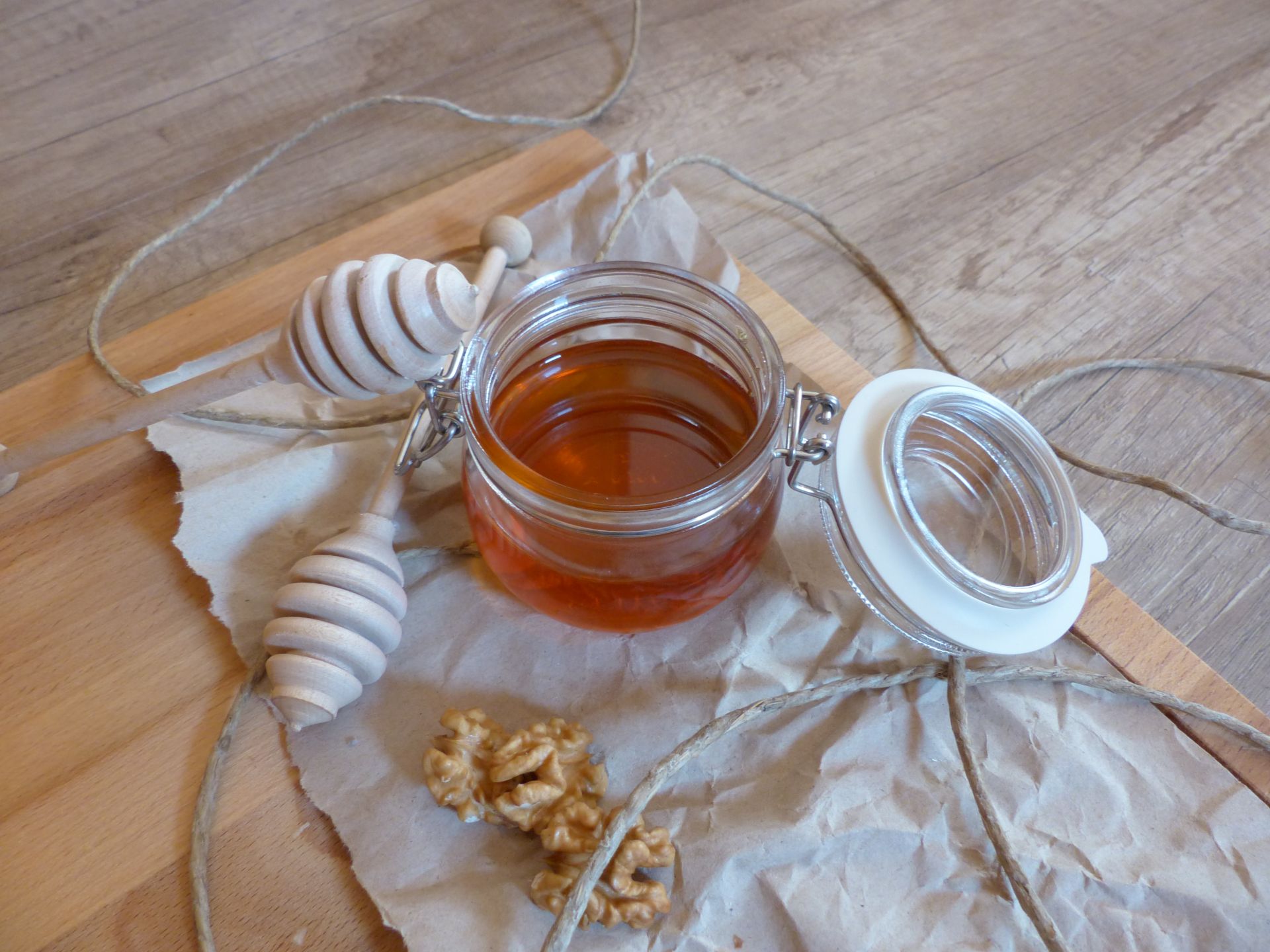 Chestnut honey
 Pine honey
Recipes on the topic
Terms from the glossary
Sources
- Piana et al., Apidologie (2004) – sensory analysis of honey (IHC appendix)
- Persano Oddo and Piro, Apidologie (2004) – descriptions of European single-variety honeys
- Zsuzsanna Kasperné Szél, doctoral thesis (Corvinus University) – aroma compounds of milkweed honey
- NAK (Hungarian Chamber of Agriculture) – new standards for sensory testing (MSZ 157:2017) (in Hungarian)
- Albo Nazionale degli Esperti in Analisi Sensoriale del Miele – Italian national register of honey sensory experts (in Italian)
- USDA – honey colour grades (Pfund scale)
- Dolce Come Miele – pairing honey and cheese (in Italian)
- Gyulai Hírlap – Excellent Hungarian Honey of the Year 2024 (in Hungarian)
- Behir – judging criteria of the Gyula honey competition (in Hungarian)
Share it if you found it useful
Read on
7 min read
Honey at a Hungarian Christmas: honey wafers, poppy seed guba and gingerbread
Honey wafers on Christmas Eve, poppy seeds and honey on the fasting table, gingerbread on the tree: honey was once one of the main flavours of a Hungarian Christmas. This is how the tradition lived – and how it can live on today.
3 min read
Why does honey crystallise, and what should you do about it?
If the honey in the jar has gone hard, it has not gone off: crystallisation is a natural process. Here is why it happens and how to make it runny again.
3 min read
Does honey go off? How to store it properly
Honey keeps for a very long time, but not for ever: moisture is its greatest enemy. Here is what to watch out for when storing it.