Learn · 6 min read
Hungarian honey in numbers: beekeepers, harvest, exports and prices
Hungary has lots of beekeepers and lots of bees, yet most of its honey goes abroad. We’ve gathered the key official figures – from the KSH (the Hungarian Central Statistical Office), the European Commission and Eurostat – so you can see where Hungarian honey comes from and where it goes. This piece reflects the situation in September 2026: for every figure we note which year it refers to, and you’ll find the sources at the end. Statistics are updated every year, so it’s always worth checking the sources for the latest data.
Beekeepers and colonies
According to the European Commission’s 2026 honey market overview, Hungary had 23,818 beekeepers in 2024 – almost 14 per cent more than two years earlier. The number of colonies is roughly 1.23 million, 6 per cent of the EU total. The average Hungarian beekeeper has 52 hives; the EU average is 27.
Relative to the country’s area, that is about 13 colonies per square kilometre – calculated from the Commission’s data, nearly three times the EU average. This puts Hungary among the EU countries with the densest bee populations.
How much honey does Hungary produce?
The harvest varies a lot from year to year, because honey depends on the weather. According to the KSH:
- 2019: 18 thousand tonnes
- 2020: 14 thousand tonnes
- 2021: 14 thousand tonnes
- 2022: 25 thousand tonnes
- 2023: 20 thousand tonnes
- 2024: 25 thousand tonnes
The EU’s fifth-largest honey producer
Over the past 15 years the harvest has ranged between 14 and 32 thousand tonnes, peaking in 2017. In 2024, with 25 thousand tonnes, Hungary was the EU’s fifth-largest honey producer after Spain, Germany, Romania and Poland, with roughly 9 per cent of the EU harvest.
When it’s a bad year
2025 was one of the worst years: the president of OMME, the Hungarian National Beekeepers’ Association, estimated a harvest of 9–12 thousand tonnes, and the KSH’s June 2026 release does not yet include a honey production figure for 2025. According to OMME, because of the harsh winter and mites only 600–700 thousand colonies started the season instead of 1.2 million, frost in early April hit more than half of the acacia forests, and the weather was cold and rainy during flowering. As a result, very little acacia honey was produced.
In summer 2026, drought was the problem: at the end of August OMME reported that from the second half of July roughly 80 per cent of colonies found little or no pollen. What a beekeeper does at times like this is covered in our piece on the beekeeping year.
Where does Hungarian honey go?
Most Hungarian honey is sold abroad. According to Eurostat, Hungary exported 17.9 thousand tonnes of honey in 2024 – equal to nearly three-quarters of that year’s harvest, although exports also include stocks from earlier years – and 16.1 thousand tonnes in 2025. According to the KSH, the main buyers in 2025 were:
- Italy: 34.8%
- Germany: 21.4%
- France: 10.5%
- Poland: 8.7%
- Japan: 7.3%
- Austria: 5.5%
And where does imported honey come from?
The EU as a whole covers only 63 per cent of its own honey needs; the main sources of imports are China, Ukraine and Argentina. Hungary’s imports are small by comparison, 1.7–1.8 thousand tonnes a year, most of it Ukrainian honey. The Hungarian government banned imports of Ukrainian honey in September 2023, lifted the ban in February 2024, and banned them again in May 2026.
If you want to know where the honey you buy in a shop comes from, check the label: since summer 2026, blended honeys must also show a percentage for each country of origin.
How much honey do Hungarians eat?
There’s no precise official figure, because the KSH measures honey together with sugar. According to a 2024 statement from the Ministry of Agriculture, a Hungarian eats about 1 kg of honey a year, and the goal is to double this by 2030; earlier estimates also mentioned 0.7 kg. In Germany, consumption per person is similar, roughly 1 kg.
How much does it cost?
According to the KSH, the average consumer price of acacia honey per kilo:
- 2020: 4,060 Ft
- 2021: 4,940 Ft
- 2022: 6,290 Ft
- 2023: 6,620 Ft
- 2024: 5,820 Ft
- 2025: 5,490 Ft
How much of that does the beekeeper get?
The beekeeper gets only part of the price you pay in a shop. According to European Commission data, in 2024 the wholesale price of Hungarian wildflower honey was €1.63 per kilo, the second lowest in Europe. Yet the Commission estimates that producing a kilo of Hungarian honey cost €4.6.
That’s why many beekeepers choose to sell directly – and why buyers know who they are buying from: the path of producer’s honey from the hive to the market stall is short. For suspiciously cheap honey, see our piece on how to spot fake honey.
Our honeys mentioned here
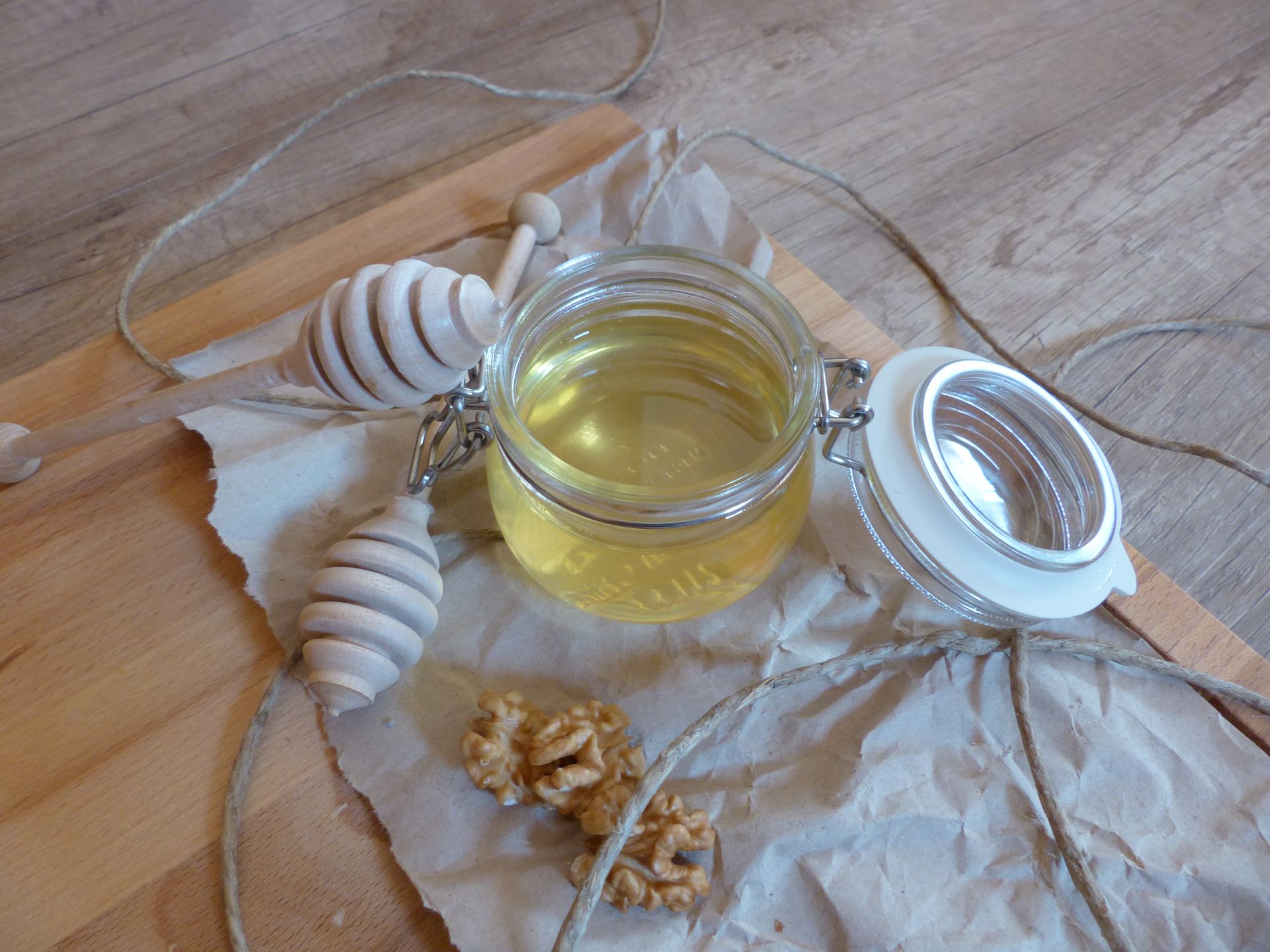 Acacia honey
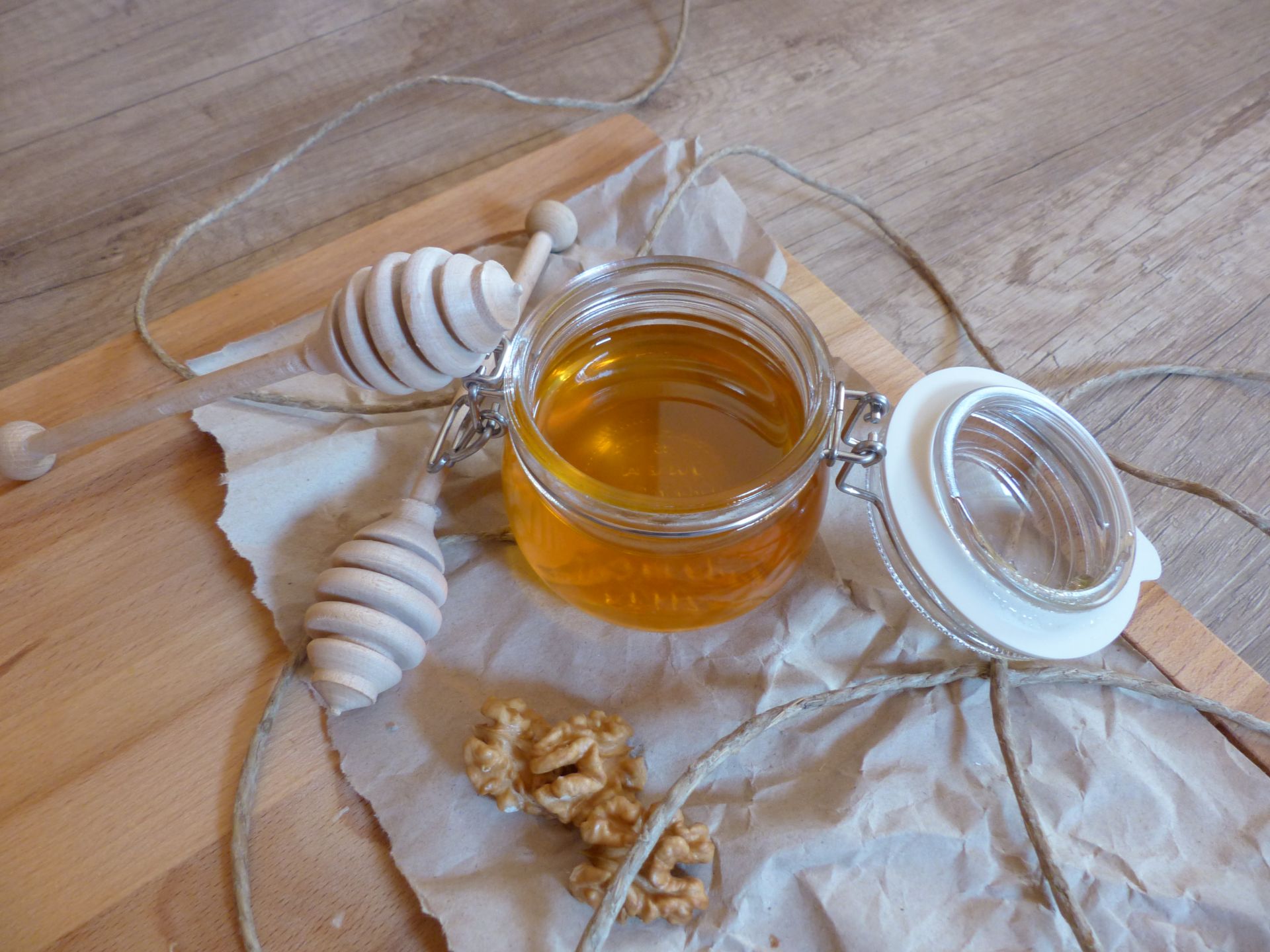 Wildflower honey
Terms from the glossary
Sources
- European Commission – Honey Market Overview (January 2026)
- KSH – Day of the Bees 2026 (infographic) (in Hungarian)
- KSH STADAT – honey production (in Hungarian)
- KSH STADAT – average consumer prices (in Hungarian)
- KSH STADAT – food consumption (in Hungarian)
- Eurostat Comext – international trade in honey (0409)
- OMME – A tragic honey harvest (2025) (in Hungarian)
- hvg – estimate of the 2025 honey harvest (in Hungarian)
- OMME – Hungarian apiaries in an emergency (2026) (in Hungarian)
- OMME – the import ban on Ukrainian honey (2026) (in Hungarian)
- VG – lifting the ban on Ukrainian honey (2024) (in Hungarian)
- Kormany.hu – on regular honey consumption (2024) (in Hungarian)
- BZL – honey consumption in Germany (2026) (in German)
Share it if you found it useful
Read on
7 min read
Honey at a Hungarian Christmas: honey wafers, poppy seed guba and gingerbread
Honey wafers on Christmas Eve, poppy seeds and honey on the fasting table, gingerbread on the tree: honey was once one of the main flavours of a Hungarian Christmas. This is how the tradition lived – and how it can live on today.
3 min read
Why does honey crystallise, and what should you do about it?
If the honey in the jar has gone hard, it has not gone off: crystallisation is a natural process. Here is why it happens and how to make it runny again.
3 min read
Does honey go off? How to store it properly
Honey keeps for a very long time, but not for ever: moisture is its greatest enemy. Here is what to watch out for when storing it.