Learn · 3 min read
What a honey label tells you – with the new 2026 rule
A honey label tells you more than you might think – if you know what to look for. And 2026 brought an important change: the rules for labelling the origin of blended honey have become stricter.
The new rule: a percentage for every country
Until now, honey blended from several countries only had to say “blend of EU and non-EU honeys”. Under a 2024 EU directive, from 14 June 2026 the countries of origin must be listed in descending order with their percentage share, with a tolerance of no more than 5% per country. If honey from more than four countries has been blended, it’s enough to give the four largest shares in percentages, as long as together they make up more than half of the blend. In Hungary, the rule was introduced by amending the national decree on honey.
Wording worth knowing
The most common labels:
- Variety name (for example acacia honey): may only be used if the honey comes wholly or mainly from that plant – more in our guide to honey varieties.
- “Baker’s honey – intended for cooking only” (in Hungarian: „Sütőipari méz – csak főzési célra”): this wording is mandatory close to the product name and means the honey is not meant to be eaten as it is, only used in cooking and baking.
- Best-before date: according to guidance from Nébih (the Hungarian National Food Chain Safety Office), honey can still be eaten for a year after this date if it has been stored properly.
How is the label on producer’s honey different?
The label of producer’s honey sold directly by small-scale producers must show the producer’s name and contact details, the word “termelői” (producer’s) before the name of the honey (for example “termelői akácméz”, producer’s acacia honey), the net weight, the best-before date and any necessary storage conditions. The notice displayed where the honey is sold also shows the producer’s official registration number.
The biggest advantage of a producer’s label is simple: you know who made the honey, and you can ask them at any time where it comes from.
Our honeys mentioned here
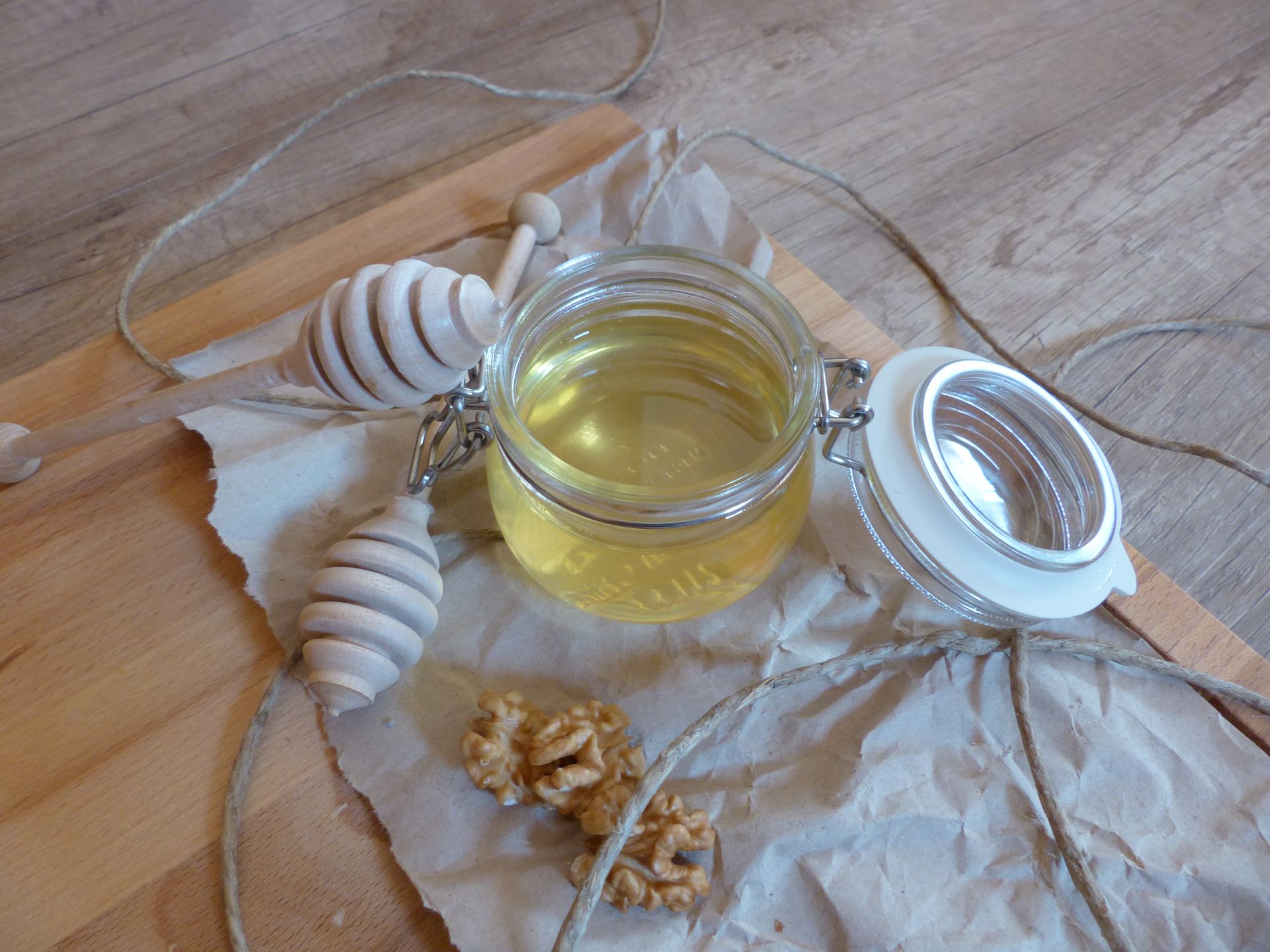 Acacia honey
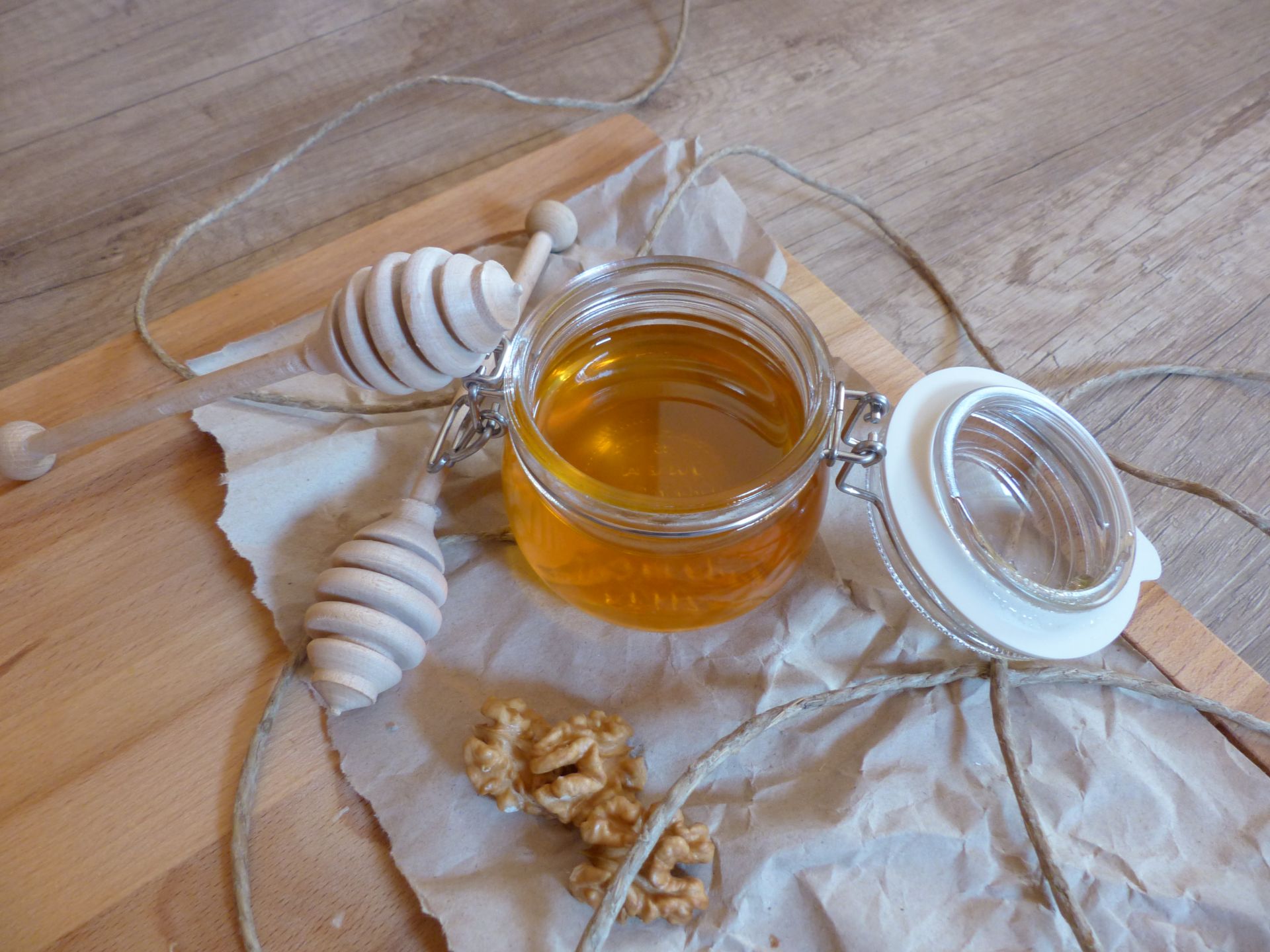 Wildflower honey
Terms from the glossary
Sources
- Directive (EU) 2024/1438 – labelling the origin of honey
- Agrárszektor – the decision on honey (December 2025) (in Hungarian)
- Directive 2001/110/EC relating to honey (baker’s honey, variety names)
- OMME – Labelling honey (in Hungarian)
- Nébih – “Maradék nélkül”: best-before and use-by information (in Hungarian)
Share it if you found it useful
Read on
7 min read
Honey at a Hungarian Christmas: honey wafers, poppy seed guba and gingerbread
Honey wafers on Christmas Eve, poppy seeds and honey on the fasting table, gingerbread on the tree: honey was once one of the main flavours of a Hungarian Christmas. This is how the tradition lived – and how it can live on today.
3 min read
Why does honey crystallise, and what should you do about it?
If the honey in the jar has gone hard, it has not gone off: crystallisation is a natural process. Here is why it happens and how to make it runny again.
3 min read
Does honey go off? How to store it properly
Honey keeps for a very long time, but not for ever: moisture is its greatest enemy. Here is what to watch out for when storing it.