Learn · 4 min read
Creamed honey: what it is and how honey turns creamy
Creamed honey is spreadable, doesn’t drip off your bread and stands up on a spoon. Many people assume something has been mixed into it or that it’s been whipped. In fact there’s nothing in it but honey: the difference is in the crystals.
How is creamed honey different from ordinary set honey?
Almost all real honey crystallises sooner or later: the glucose in it comes out as tiny crystals. Whether you end up with a coarse, grainy block or a silky cream depends on the size of those crystals.
In creamed honey the crystals are so small that your tongue can’t feel them individually, so it tastes creamy and velvety. Honey that crystallises slowly on its own often grows larger, crunchy crystals. The two are the same in composition – only the texture differs.
Which honeys turn creamy on their own?
Where there’s a lot of glucose, crystallisation is quick and fine-grained. That’s why rapeseed honey turns creamy by itself within a few days or weeks. Honeys with more fructose crystallise more slowly, often with coarser crystals, and acacia honey can stay runny for a year or two.
Wildflower honey crystallises finer or coarser depending on the flowers – nature decides that afresh every year.
How is creamed honey made?
The method was developed in 1928 by Elton J. Dyce at Cornell University. The key is “seeding”: about 10 per cent finely crystallised honey is mixed into liquid honey. The liquid honey then copies the size and shape of the seed honey’s crystals.
Temperature matters too: crystallisation works best at around 14 °C. At that temperature, the honey sets creamy in about a week. Afterwards it’s best kept somewhere cool so it holds its texture for a long time.
How to try it at home
You’ll need a jar of runny honey and a little creamed honey, such as rapeseed honey:
- If the runny honey has started to crystallise, melt it completely in a warm water bath at no more than 40 °C, then let it cool to room temperature.
- Stir in a tenth as much creamed honey (100 g per kilo of honey). Stir thoroughly but slowly, so as little air as possible gets in.
- Fill clean, dry jars and put them somewhere cool at around 14 °C – a cold larder or cellar is fine; the fridge is too cold.
- It’s ready in about a week. Keep it somewhere cool afterwards too.
White marks on the jar? Nothing to worry about
White, flower-like patterns sometimes appear on the glass of a jar of creamed or set honey. They’re traces of tiny air bubbles and shrinking crystals and don’t affect the quality of the honey. If you’d prefer runny honey, you can melt creamed honey in a warm water bath too – the same rules apply as for any set honey.
In baking and in tea, creamed honey behaves just like runny honey: it melts in gingerbread dough or in a warm mug of tea.
Our honeys mentioned here
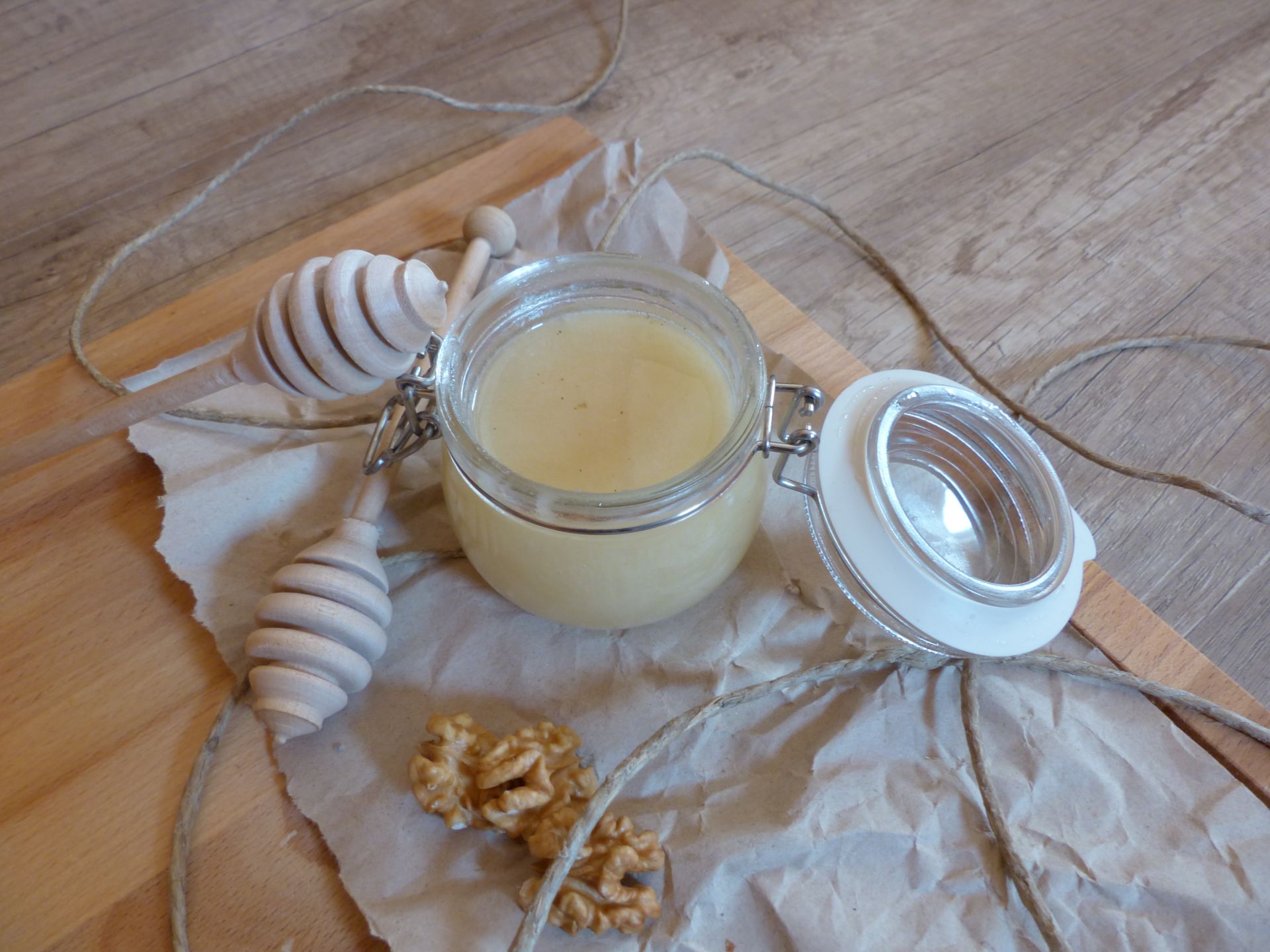 Rapeseed honey
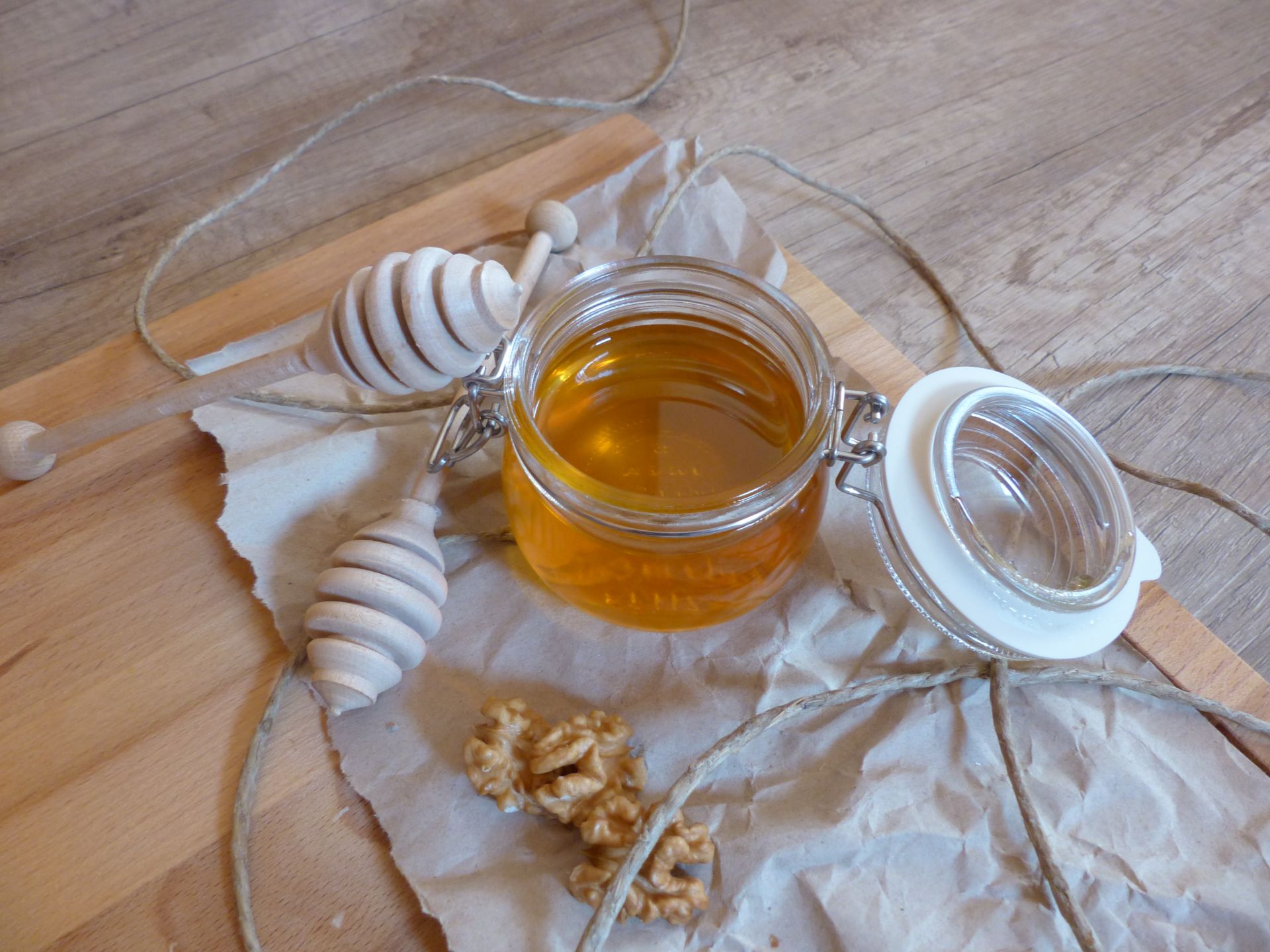 Wildflower honey
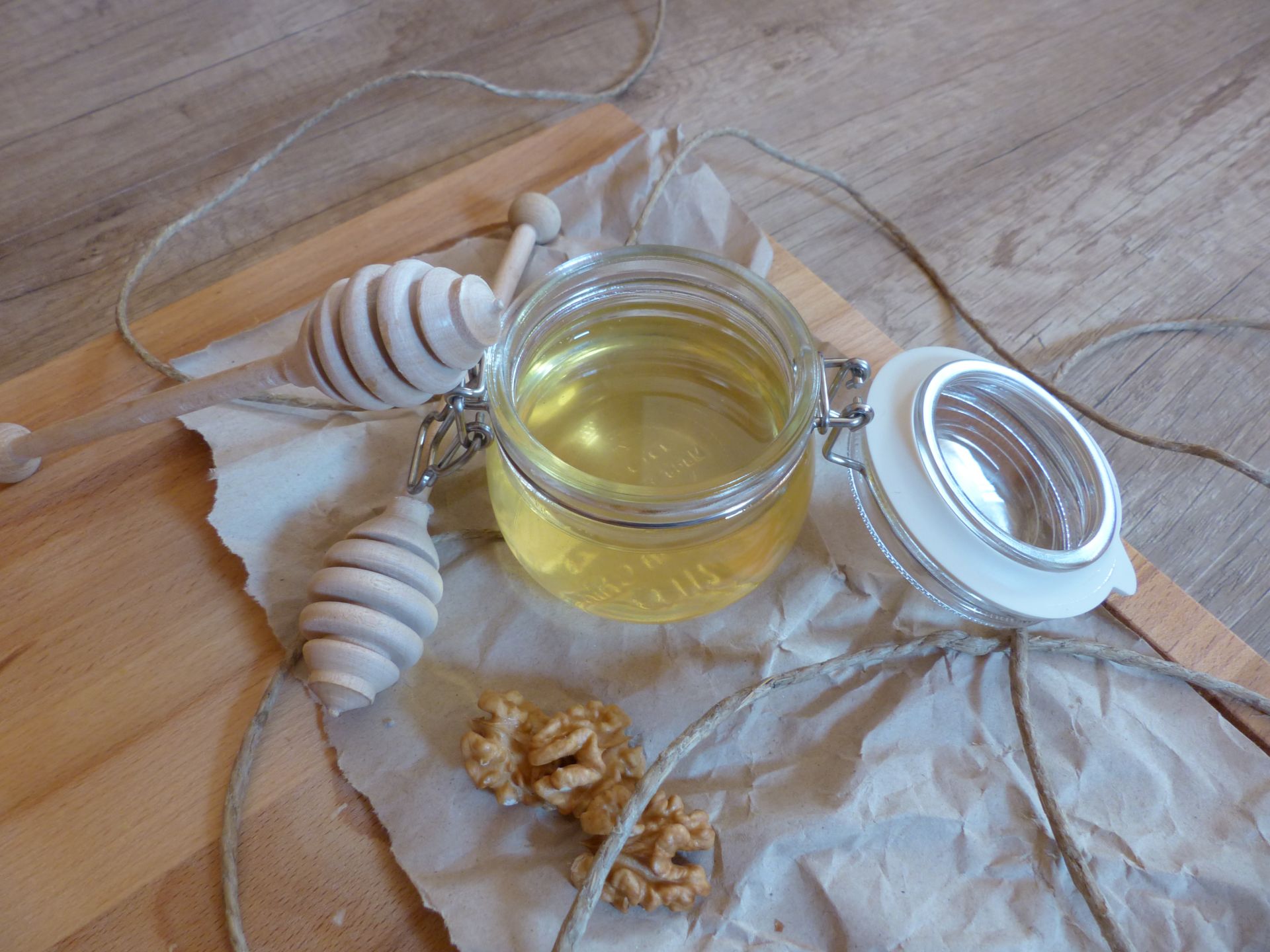 Acacia honey
Recipes on the topic
Baking45 min
Soft honey gingerbread, no resting needed
Spiced honey gingerbread that's soft straight away and doesn't need days to mature: you can bake and decorate it on the same day.
Recommended honey: Wildflower honey
Breakfast40 min
Honey and walnut granola
Crunchy, oven-toasted oat and seed granola with honey and walnuts. One tray gives you breakfast for a week or two, with yoghurt or milk.
Recommended honey: Honey with walnuts
Terms from the glossary
Sources
Share it if you found it useful
Read on
7 min read
Honey at a Hungarian Christmas: honey wafers, poppy seed guba and gingerbread
Honey wafers on Christmas Eve, poppy seeds and honey on the fasting table, gingerbread on the tree: honey was once one of the main flavours of a Hungarian Christmas. This is how the tradition lived – and how it can live on today.
3 min read
Why does honey crystallise, and what should you do about it?
If the honey in the jar has gone hard, it has not gone off: crystallisation is a natural process. Here is why it happens and how to make it runny again.
3 min read
Does honey go off? How to store it properly
Honey keeps for a very long time, but not for ever: moisture is its greatest enemy. Here is what to watch out for when storing it.