Learn · 3 min read
Are bees really dying out? Pollination and bee protection, by the facts
You often hear that “the bees are dying out”. The reality is more nuanced: honey bee numbers are looked after and replenished by beekeepers, but many species of wild pollinators – wild bees and bumblebees – really are under threat. It’s worth keeping the two apart.
Why does pollination matter?
More than three quarters of the world’s food crops depend at least partly on pollination by animals. According to the international IPBES report, crops worth 235–577 billion US dollars a year depend directly on pollinators. From strawberries to pumpkins, many plants need insects to bear fruit.
Honey bees: not declining, but having a hard time
According to FAO data, the number of beehives in the world has grown over 50 years: in 2022 there were about 102 million, 76% more than in 2000 – even though numbers fell in some European and North American countries. Beekeepers, however, face heavy losses: a survey covering 37 countries found that on average 18% of colonies die over winter, which beekeepers replace by raising new colonies.
Hungary has around 21,000 apiaries and 1.2 million colonies – one of the densest bee populations in Europe.
Wild pollinators: the problem is real
According to the IUCN’s 2025 European Red List, around 10% of the wild bee species assessed are threatened; for bumblebees the figure is over 20%. Since 2018 the EU has banned the outdoor use of three neonicotinoid pesticides because of the risk they pose to bees.
A frequently quoted line claims that Einstein said humans would die out four years after the bees disappeared. Einstein never said it – but pollinators matter even without it.
What can you do?
A few simple things that help pollinators:
- Plant flowers on your balcony or in your garden, ideally ones that bloom at different times.
- In the garden, don’t spray while plants are in flower, and if you really have to, only in the evening.
- Leave a wilder, unmown corner in the garden for wild bees.
- Buy from local producers: wildflower honey tells you about the flowers of the area, and it supports beekeepers too.
Our honeys mentioned here
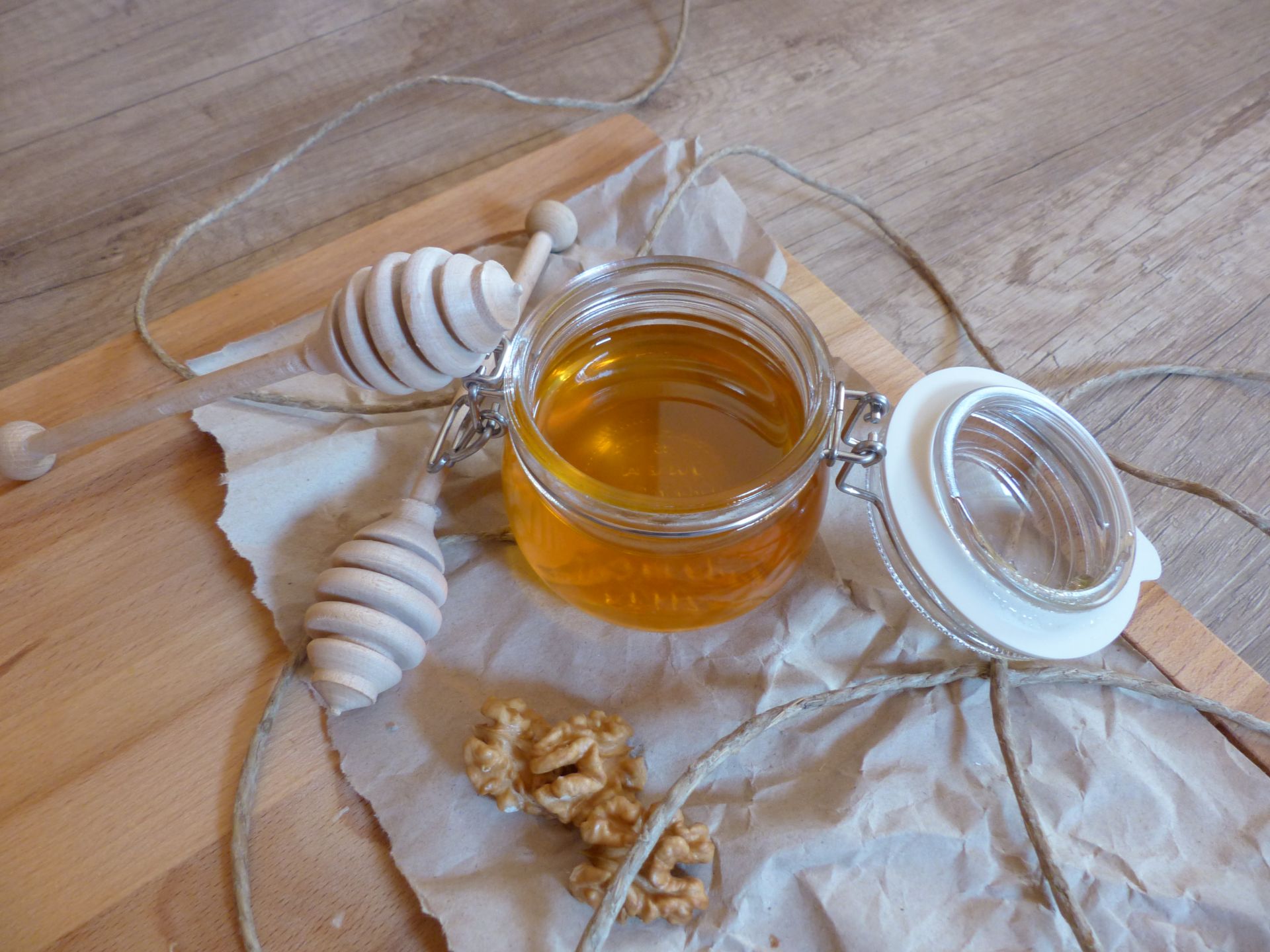 Wildflower honey
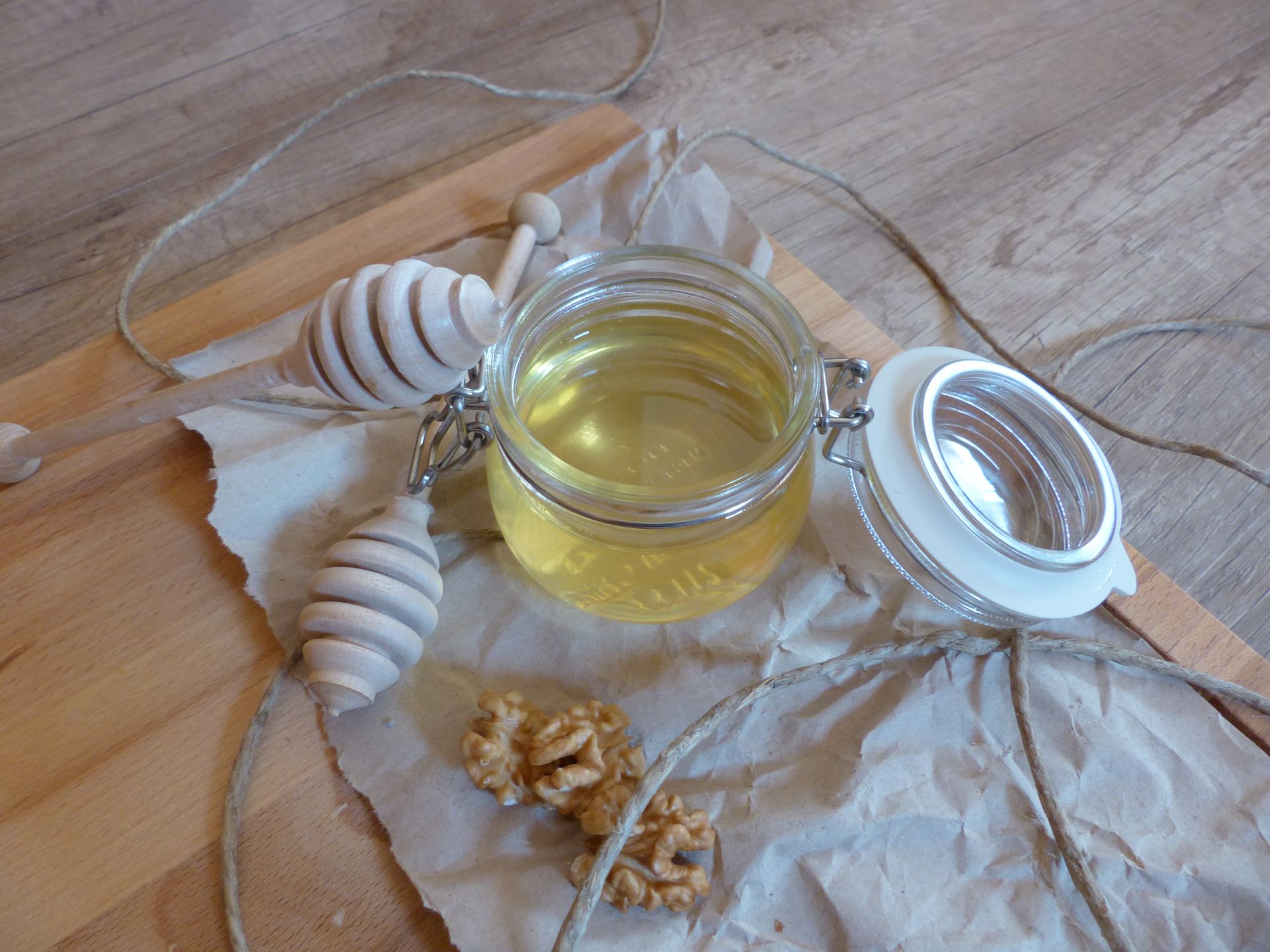 Acacia honey
Recipes on the topic
Dessert15 min
Strawberry and yoghurt pots with elderflower honey
Biscuit crumbs, honeyed Greek yoghurt and strawberries steeped in honey, in layers. A no-bake dessert that works for breakfast too.
Recommended honey: Honey with elderflower
Side dish50 min
Honey and lemon roasted squash
Squash roasted in big wedges and caramelised with lemon and thyme. A side for meat, or with cinnamon, a dessert.
Recommended honey: Chestnut honey
Terms from the glossary
Sources
- FAO/IPBES – why pollinators matter
- IPBES – pollinators assessment report
- Trends in the number of beehives (FAOSTAT analysis)
- IUCN – European Red List of pollinators (2025)
- COLOSS – winter colony losses
- European Commission – neonicotinoids
- Magyar Mezőgazdaság – the state of Hungarian beekeeping (in Hungarian)
- Quote Investigator – on the Einstein quote
Share it if you found it useful
Read on
7 min read
Honey at a Hungarian Christmas: honey wafers, poppy seed guba and gingerbread
Honey wafers on Christmas Eve, poppy seeds and honey on the fasting table, gingerbread on the tree: honey was once one of the main flavours of a Hungarian Christmas. This is how the tradition lived – and how it can live on today.
3 min read
Why does honey crystallise, and what should you do about it?
If the honey in the jar has gone hard, it has not gone off: crystallisation is a natural process. Here is why it happens and how to make it runny again.
3 min read
Does honey go off? How to store it properly
Honey keeps for a very long time, but not for ever: moisture is its greatest enemy. Here is what to watch out for when storing it.