Learn · 4 min read
Baking and cooking with honey: tips and a little gingerbread history
In the kitchen, honey is much more than a sweetener: it adds flavour, colour and a sticky, glossy glaze. But it behaves differently from sugar – once you know how, your honey bakes and dishes will turn out every time.
Using honey instead of sugar
Honey is about 17% water and slightly acidic. By weight, use roughly the same amount of honey as sugar: about 100 g of honey instead of 100 g of sugar. (The “three-quarters of a cup” rule in American recipes is by volume – honey is denser, so in grams it would mean more honey.) Reduce the liquid in the dough by about a fifth of the weight of the honey, set the oven about 15 °C lower, and if the dough isn’t a yeast dough, a pinch (about 0.5 g) of bicarbonate of soda per 100 g of honey balances out its acidity. For your first try, swap only half of the sugar – or work it out with the sugar-to-honey converter.
Honey browns faster
The sugars in honey caramelise at a lower temperature than granulated sugar. That’s a bonus for roast vegetables and glazes, but with cakes and biscuits you need to keep an eye on it. That’s why the honey glaze only goes onto the honey mustard chicken thighs and the honey-glazed spare ribs in the last few minutes, and why you need to stay by the oven while the sheets for the mézes krémes (honey cream slice) are baking.
Which honey for what?
From beekeepers’ experience:
- For baking, wildflower honey is the first choice: its full flavour comes through in the dough, and it works just as well crystallised, because it melts when heated.
- Mild acacia honey suits tea and cold drinks – stir it into tea only once it has cooled to lukewarm, so its aroma is kept too.
- Bold chestnut honey is the one for meat, glazes and pumpkin.
- For serving, the honey dipper is drip-free.
The Hungarian history of gingerbread
Making mézeskalács (Hungarian honey gingerbread) is an old craft: the first gingerbread makers’ guild in the Kingdom of Hungary was founded in 1619 in Pozsony (today’s Bratislava), and the guilds were abolished in 1872 by the first Industry Act. Decorated gingerbread was pressed into carved wooden moulds, most often made of pear wood. Today gingerbread appears in the local heritage registers of several towns and villages – but the Hungarikum title (the official Hungarian national treasure label) went not to gingerbread but to Hungarian acacia honey.
If you’re in the mood now, here’s the recipe for soft honey gingerbread with no resting time.
One important rule
Never give honey in any form to babies under one year old – not even baked. According to Nébih (the Hungarian National Food Chain Safety Office), this applies regardless of where the honey comes from.
Our honeys mentioned here
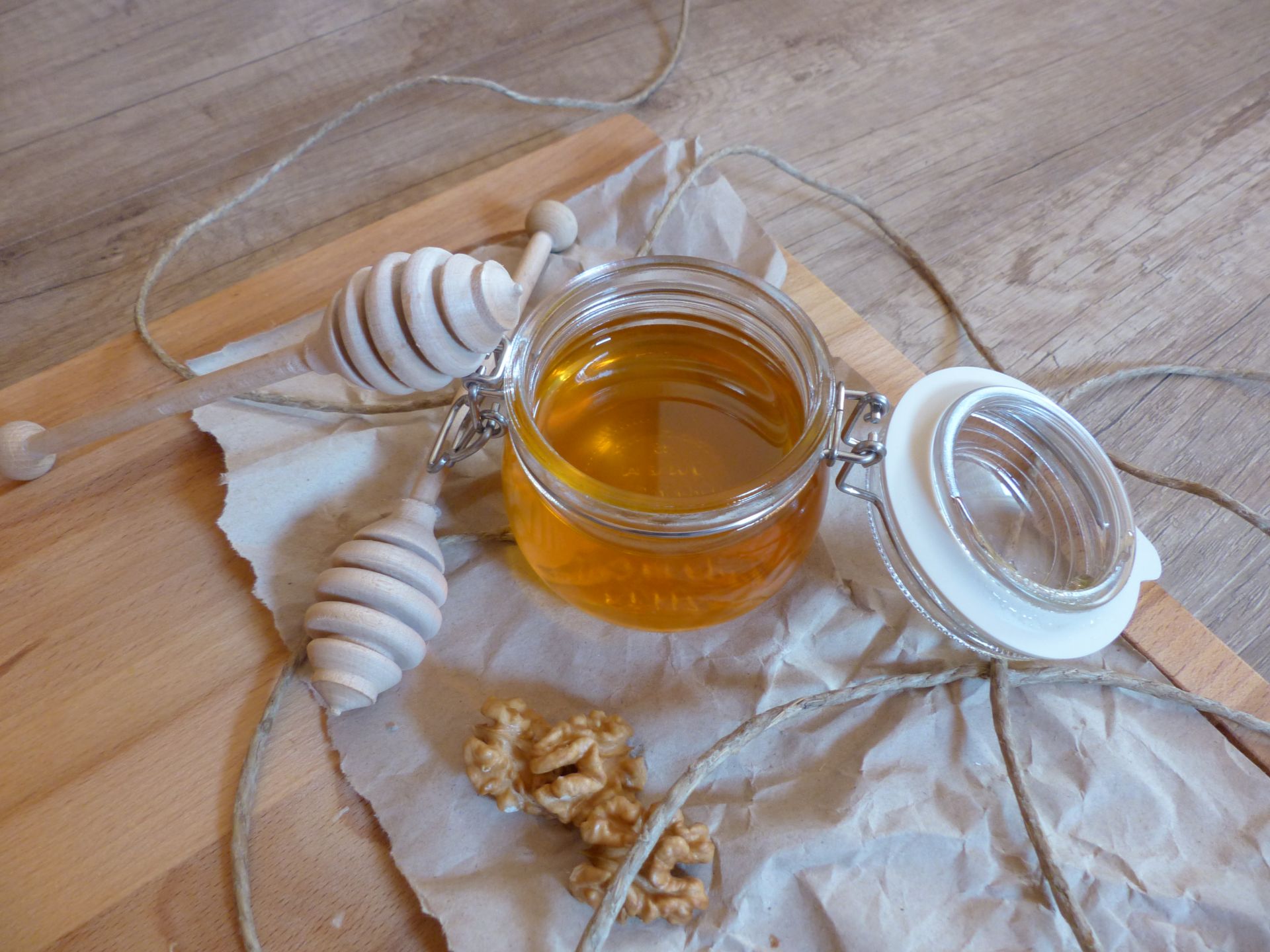 Wildflower honey
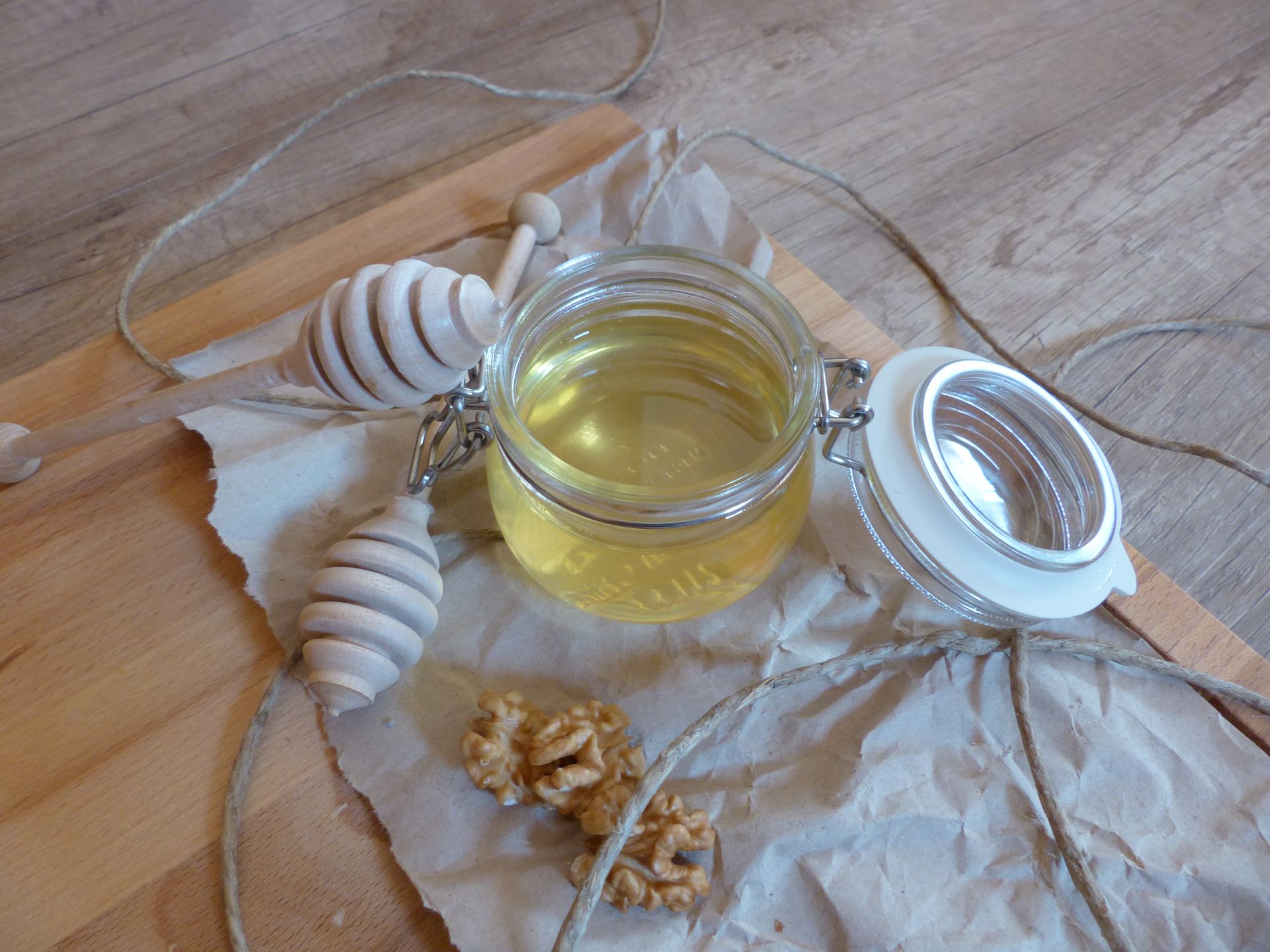 Acacia honey
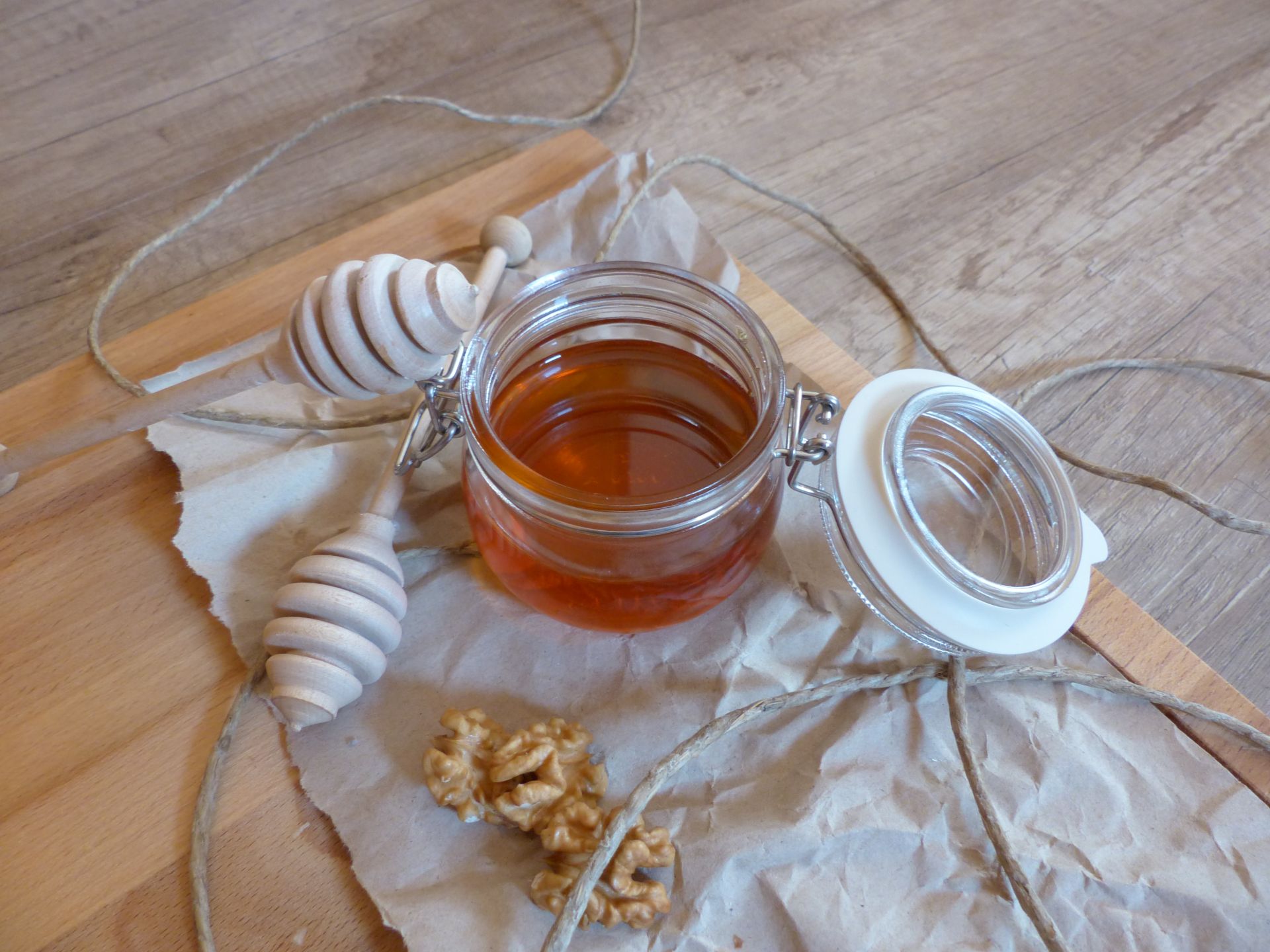 Chestnut honey
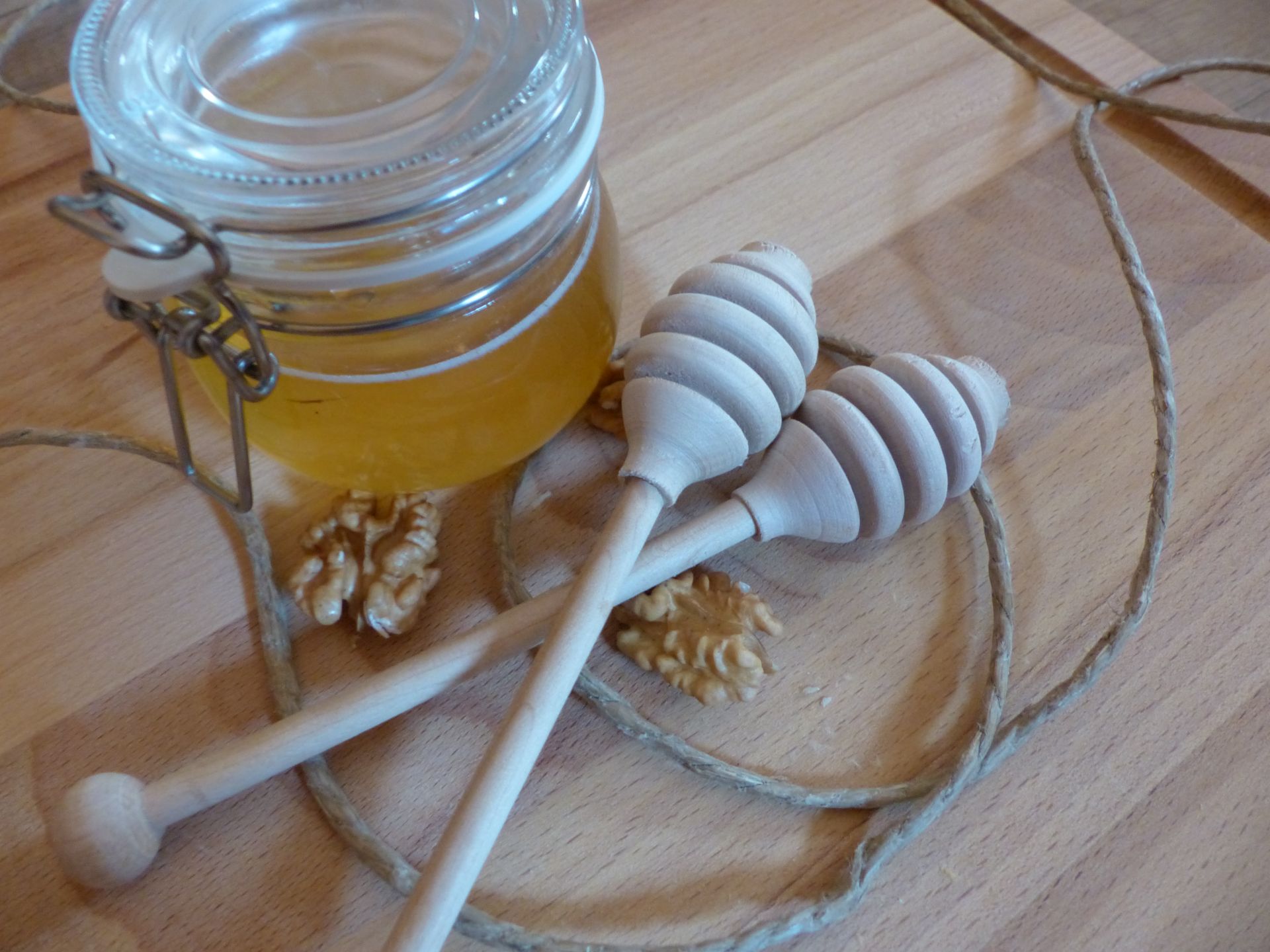 Honey dipper
Recipes on the topic
Baking45 min
Soft honey gingerbread, no resting needed
Spiced honey gingerbread that's soft straight away and doesn't need days to mature: you can bake and decorate it on the same day.
Recommended honey: Wildflower honey
Baking1 hr 20 min
Classic mézes krémes (Hungarian honey cream slice)
Thin honey layers, a vanilla-and-lemon semolina cream and a little apricot jam. It rests overnight, which is what makes it so tender.
Recommended honey: Acacia honey
Main course1 hr 10 min
Honey and mustard roast chicken legs
Chicken legs marinated in garlic and mustard, then roasted glossy with a honey glaze at the end. A simple everyday meal, all year round.
Recommended honey: Wildflower honey
Main course2 hrs 40 min
Sticky honey-glazed pork ribs
Pork ribs slow-roasted in beer until tender, finished with a sticky, glossy honey glaze. For festive meals and dinners with friends.
Recommended honey: Chestnut honey
Terms from the glossary
Sources
- Maryland State Beekeepers Association – baking with honey
- National Honey Board – the sweetness of honey and substituting it for sugar
- University of Missouri Extension – cooking and baking with honey
- Magyar Mezőgazdaság – the gingerbread tradition (in Hungarian)
- Hungarikum.hu – Gingerbread (local heritage register) (in Hungarian)
- Nébih – Never give honey to babies under one year old (in Hungarian)
Share it if you found it useful
Read on
7 min read
Honey at a Hungarian Christmas: honey wafers, poppy seed guba and gingerbread
Honey wafers on Christmas Eve, poppy seeds and honey on the fasting table, gingerbread on the tree: honey was once one of the main flavours of a Hungarian Christmas. This is how the tradition lived – and how it can live on today.
3 min read
Why does honey crystallise, and what should you do about it?
If the honey in the jar has gone hard, it has not gone off: crystallisation is a natural process. Here is why it happens and how to make it runny again.
3 min read
Does honey go off? How to store it properly
Honey keeps for a very long time, but not for ever: moisture is its greatest enemy. Here is what to watch out for when storing it.